
Compliance · Buyer Guide
Compliant Restroom Trailer vs Gray-Market Import: What Buyers Really Risk
Why the cheaper unit often costs more a total-ownership comparison for procurement teams.
By GIGONE Engineering & Compliance Team · June 4, 2026 · 8 min read
A compliant restroom trailer from an accountable manufacturer is built to meet U.S. DOT, VIN, DMV, and EPA standards registrable, insurable, road-legal, and resellable. A gray-market import is often cheaper up front but can arrive with no valid VIN, no registration documents, missing tow-safety hardware, and an uncontrolled waste system making it impossible to register, uninsurable, illegal to tow, and hard to resell. The upfront savings are usually erased by registration problems, downtime, liability exposure, and impaired resale value, which is why total ownership cost not sticker price is the right basis for comparison.
Table of Contents
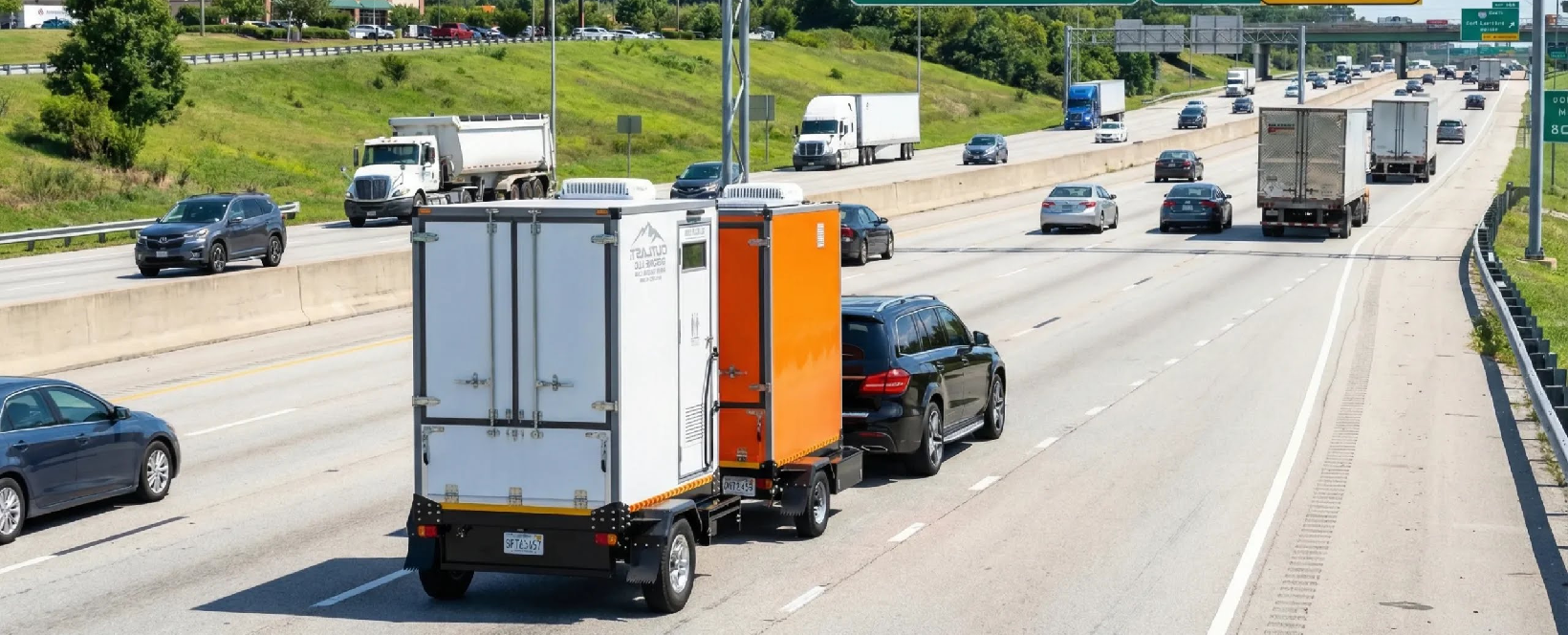
The most tempting mistake in restroom trailer procurement is buying on price. A gray-market import a unit brought in outside normal manufacturer channels, often without U.S. compliance documentation can undercut a compliant unit by a wide margin. Then the bill arrives: the trailer can’t be registered, an insurer won’t cover it, and a roadside inspection sidelines it. This article compares the two paths on what actually matters: whether the asset can legally do its job. It’s part of GIGONE’s restroom trailer compliance resources.
What “gray-market import” means here
A gray-market restroom trailer is a unit sold outside an accountable manufacturer’s channel, frequently imported without the U.S. compliance package a buyer needs. It may be physically similar to a compliant trailer but lack the things that make it a usable, legal asset: a valid VIN, registration documentation, DOT tow-safety hardware, and a controlled waste system. The seller is often an anonymous importer who cannot stand behind compliance claims.
Side-by-side: compliant unit vs gray-market import
| Factor | Compliant (producer-built) | Gray-market import |
|---|---|---|
| VIN | Valid 17-char VIN, decodes on NHTSA | Missing, fake, or undecodable |
| Vehicle ID Plate | Affixed and traceable | Often absent |
| DMV registration | Registration-ready with documents | Frequently impossible |
| DOT tow safety | Safety chains + breakaway standard | Missing or optional |
| Exterior lighting | Complete and functional | Incomplete |
| Waste / EPA handling | Sealed tanks, controlled discharge | Uncontrolled or unclear |
| Insurability | Insurable (VIN on file) | Frequently uninsurable |
| Resale value | Retitle-able, retains value | Difficult to resell |
| Accountability | Named producer stands behind it | Anonymous importer |
| Upfront price | Higher | Lower |
The only column a gray-market import reliably wins is upfront price and that advantage is what the rest of the table erases.
The five hidden costs of a non-compliant import

1. Registration failure
Without a valid VIN and documentation, a state DMV typically won’t title or plate the trailer. An unregistrable unit can’t legally travel public roads so a mobile restroom becomes a fixed structure. See DMV registration for restroom trailers.
2. Uninsurability
Insurers reference the VIN. No VIN often means no coverage or a claim denied after an incident. For fleet operators, an uninsurable unit can’t enter the fleet at all.
3. Transportation downtime
A trailer missing tow-safety hardware or lighting can be placed out of service at a roadside inspection. Every day a unit sits is revenue lost for a rental operator and schedule slip for a contractor.
4. Liability exposure
A trailer that breaks loose in transit because it lacked a breakaway system or safety chains can expose the towing party to liability that insurance may not cover. The savings vanish against a single incident.
5. Environmental and contract risk
An uncontrolled waste system can trigger EPA-related penalties and health-department citations. For government and municipal contracts, a single violation can end the contract. See EPA waste compliance.
Why producer accountability is the real safeguard
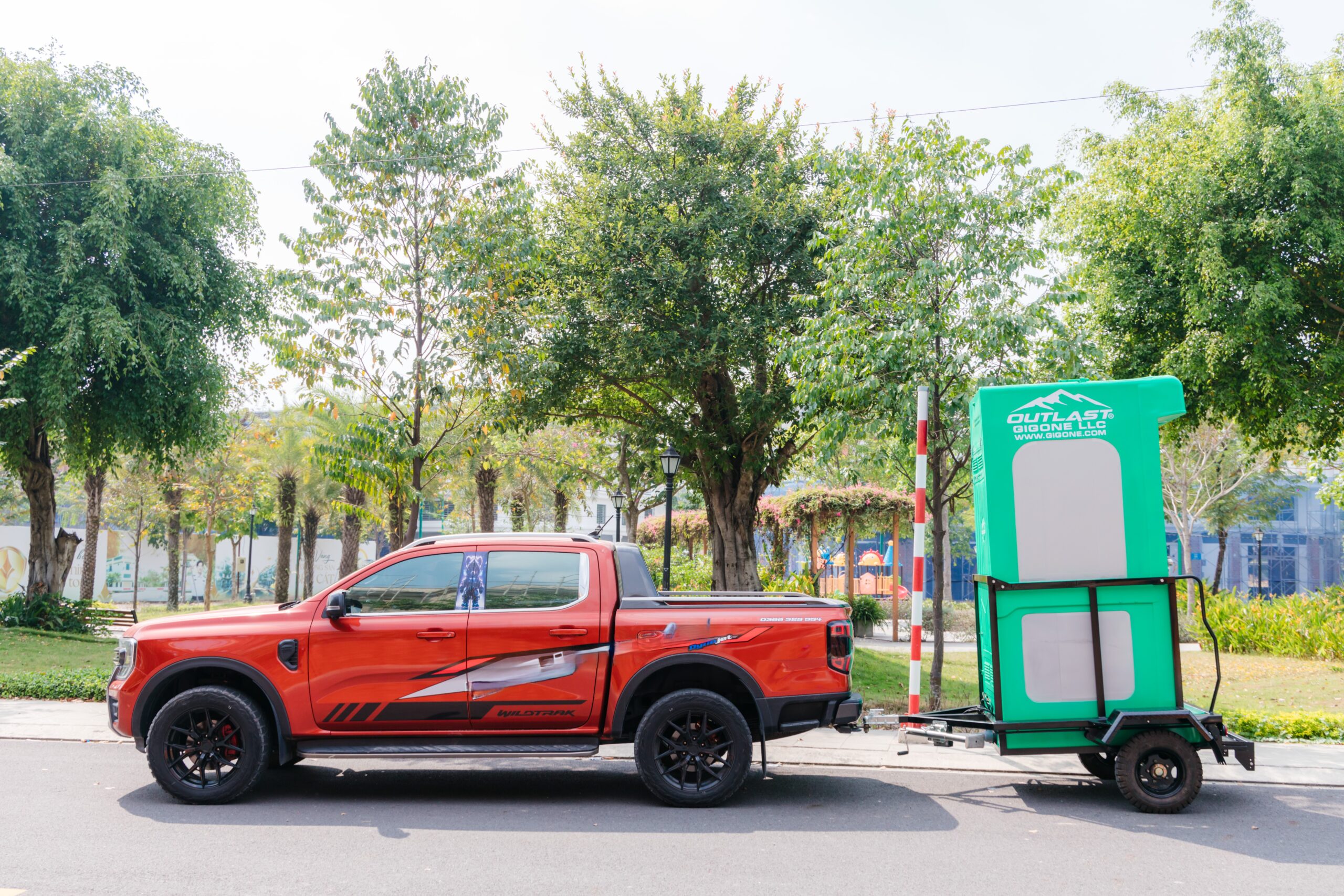
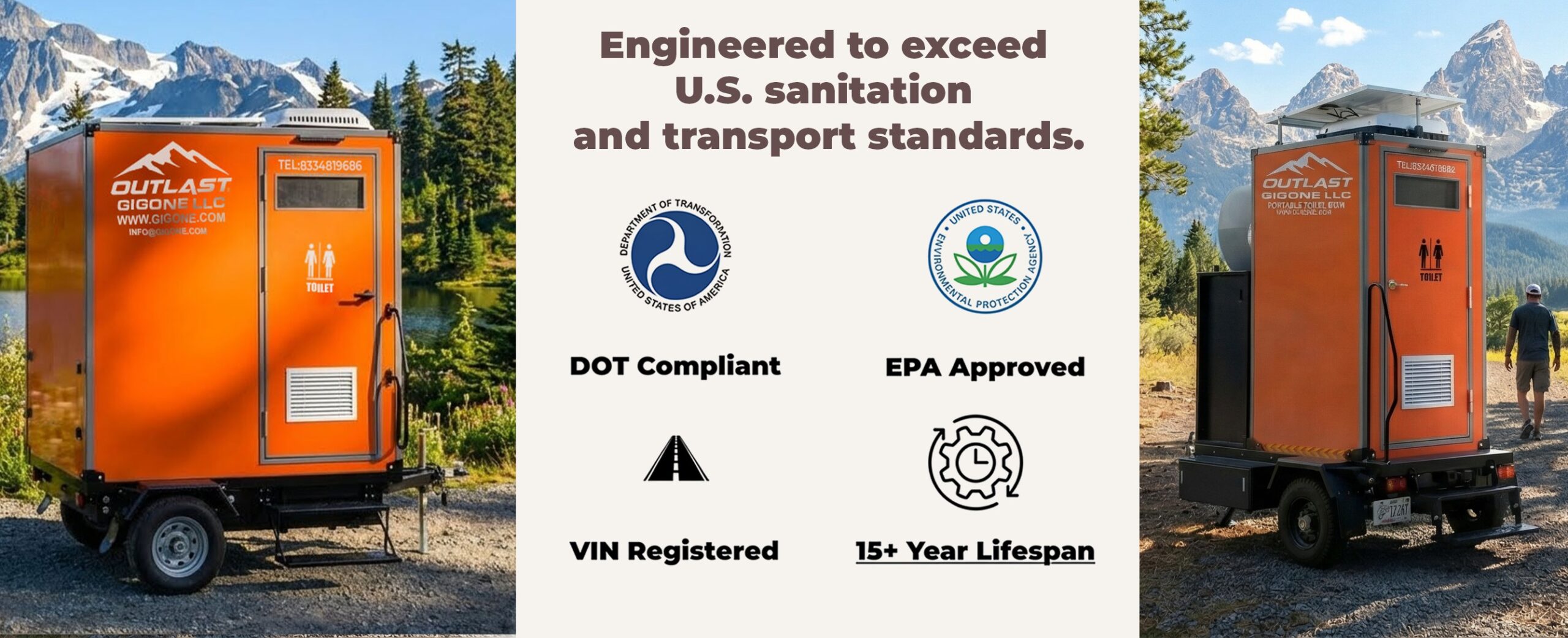
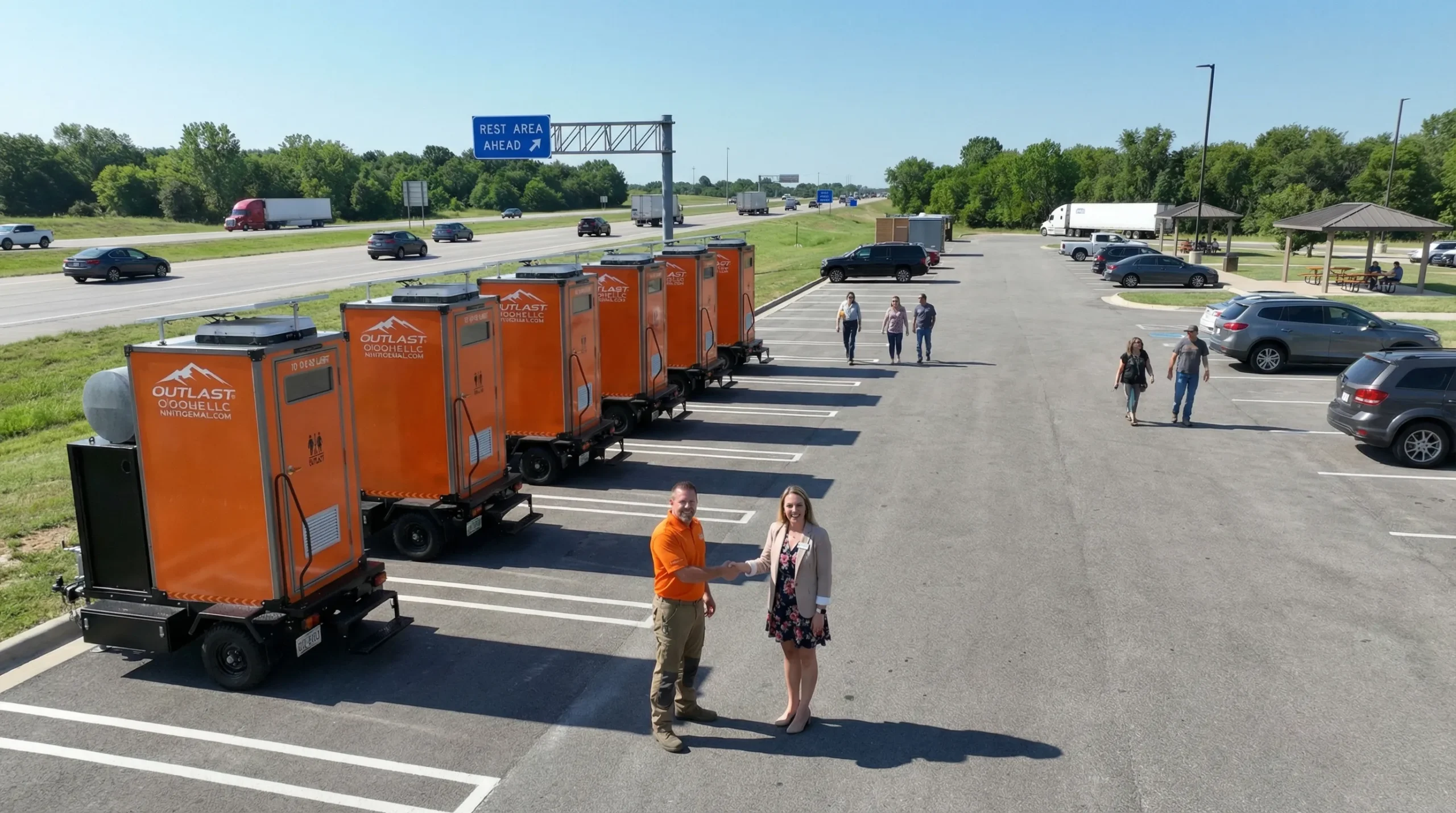
The deepest difference isn’t any single spec it’s accountability. An accountable producer designs compliance in and stands behind it; an anonymous importer disappears when problems surface. GIGONE produces each Mobile Oasis™ trailer to meet U.S. DOT, VIN, DMV, and EPA standards, with a Vehicle ID Plate, a valid registration plate, DOT tow-safety hardware, and a solid-liquid waste separation system as standard construction. Buyers can verify the VIN on the NHTSA decoder before purchase and reach a named company afterward. Learn more about GIGONE.
How to protect yourself before buying
- ✅ Verify the VIN decodes on the NHTSA decoder (see how to verify a restroom trailer VIN)
- ✅ Confirm a Vehicle ID Plate and registration documents are included
- ✅ Confirm DOT tow-safety hardware (chains + breakaway) is standard
- ✅ Confirm a sealed waste system with controlled discharge
- ✅ Confirm you’re buying from a named, accountable producer
- ✅ Compare on total ownership cost, not upfront price
Frequently asked questions
Is a cheaper gray-market restroom trailer worth it?
Rarely. A gray-market import can be impossible to register, uninsurable, illegal to tow, and hard to resell and it can expose you to environmental and liability penalties. The upfront savings are usually erased by registration problems, downtime, and impaired resale value. Total ownership cost almost always favors a compliant unit.
What’s the difference between a producer and a gray-market importer?
A producer designs and builds the trailer and stands behind its compliance, providing a VIN, documentation, and accountability. A gray-market importer resells units outside normal channels, often without U.S. compliance documentation and without standing behind the product after the sale.
Can I register a gray-market imported restroom trailer?
Often you can’t. Many gray-market units lack a valid VIN and the documentation a DMV requires, which makes titling and registration impossible in most states. Always verify the VIN and confirm registration documents before purchase.
How do I tell if a restroom trailer is compliant or gray-market?
Check for a valid VIN that decodes on the NHTSA decoder, a Vehicle ID Plate, registration documents, DOT tow-safety hardware, and a controlled waste system and confirm you’re buying from a named producer. Missing any of these points toward a gray-market unit.
Does GIGONE sell compliant restroom trailers?
Yes. GIGONE is a U.S.-focused producer that builds each Mobile Oasis™ trailer to meet DOT, VIN, DMV, and EPA standards, with a Vehicle ID Plate, registration plate, tow-safety hardware, and solid-liquid waste separation as standard construction.
Buy a compliant restroom trailer
GIGONE builds DOT-, VIN-, DMV-, and EPA-aligned mobile restroom trailers backed by a named producer not an anonymous importer.



Leave a Reply
You must be logged in to post a comment.