
Inclusive Sanitation Solutions for Modern Public Spaces
Public sanitation expectations have evolved significantly over the past decade. Portable restrooms are no longer viewed as temporary necessities used only for short-term events or construction sites. Today, they are increasingly expected to meet community standards, support diverse user needs, and reflect inclusive design principles.
Premium Mobile Oasis™ addresses this shift with a Family-Oriented Portable Restroom Design, implemented across both Model AA-1P and Model A-1P. By integrating optional features such as a Baby Changing Station, these units move beyond basic functionality and become supportive infrastructure assets for families, caregivers, and communities.
This article explores how family- and community-oriented design enhances usability, inclusivity, and long-term value in modern portable sanitation at Florida, Georgia, Alabama, South Carolina, and Tennessee.
Why Family-Oriented Design Matters in Portable Sanitation
In public environments, restrooms are used by a wide spectrum of people:
- Parents with infants or toddlers
- Caregivers assisting dependents
- Families attending events together
- Tourists navigating unfamiliar locations
- Community members spending extended time in public spaces
When sanitation facilities fail to address these realities, the result is inconvenience, discomfort, and reduced accessibility.
A family-oriented portable restroom design ensures that sanitation infrastructure supports real-world usage patterns—especially in environments where people stay longer, move frequently, or lack access to permanent facilities.
Optional Baby Changing Station: A Practical Inclusion Feature
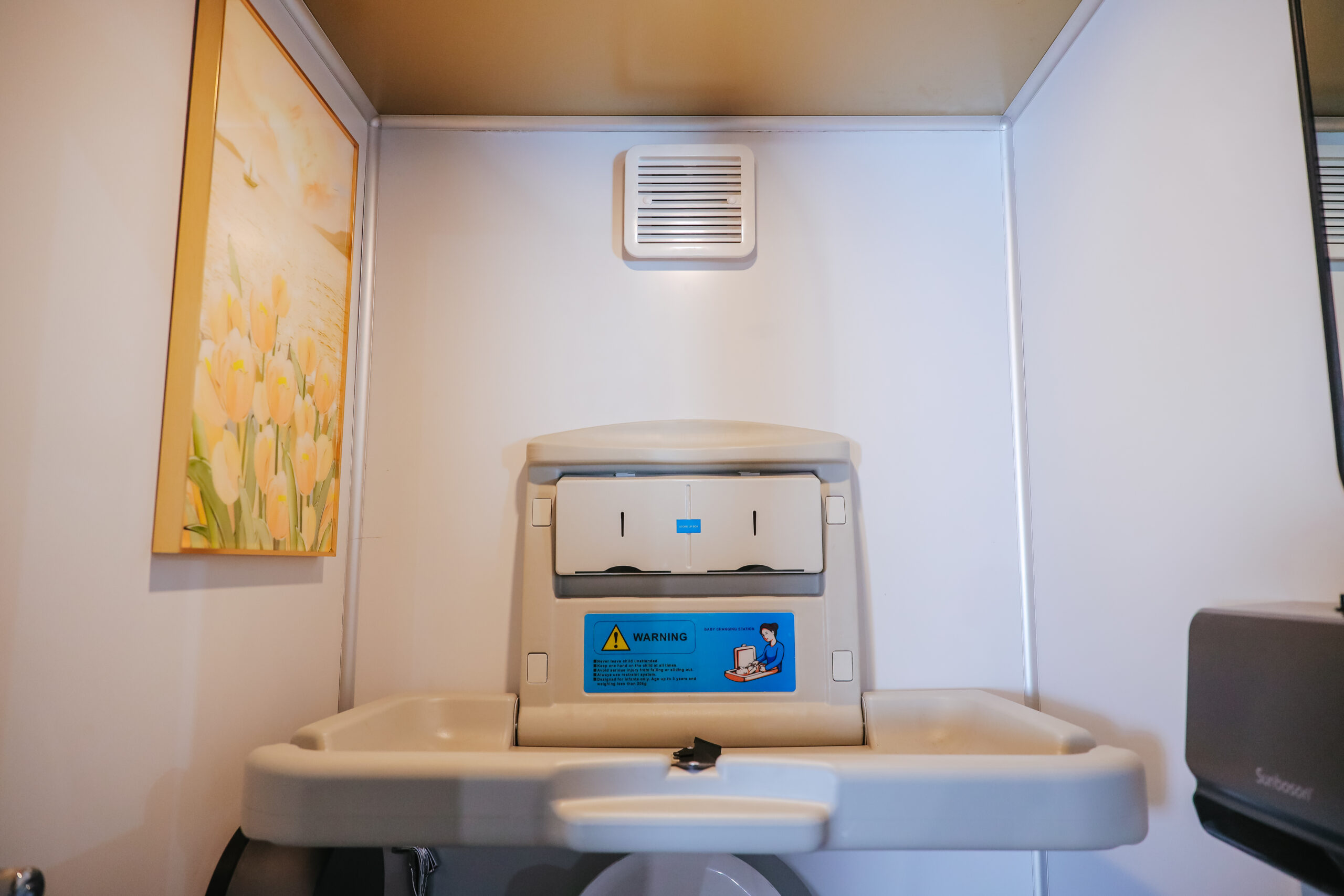
Both Premium Mobile Oasis™ Model AA-1P and Model A-1P can be equipped with a Baby Changing Station upon request, allowing operators and project planners to tailor the unit to family-heavy environments.
Benefits of an integrated baby changing station include:
- Safe and hygienic surface for infant care
- Improved convenience for parents and caregivers
- Reduced misuse of sinks or countertops
- Better traffic flow by minimizing restroom improvisation
This feature transforms the portable restroom into a family-supportive facility, rather than a single-user utility.
Supporting Families in High-Traffic Public Environments
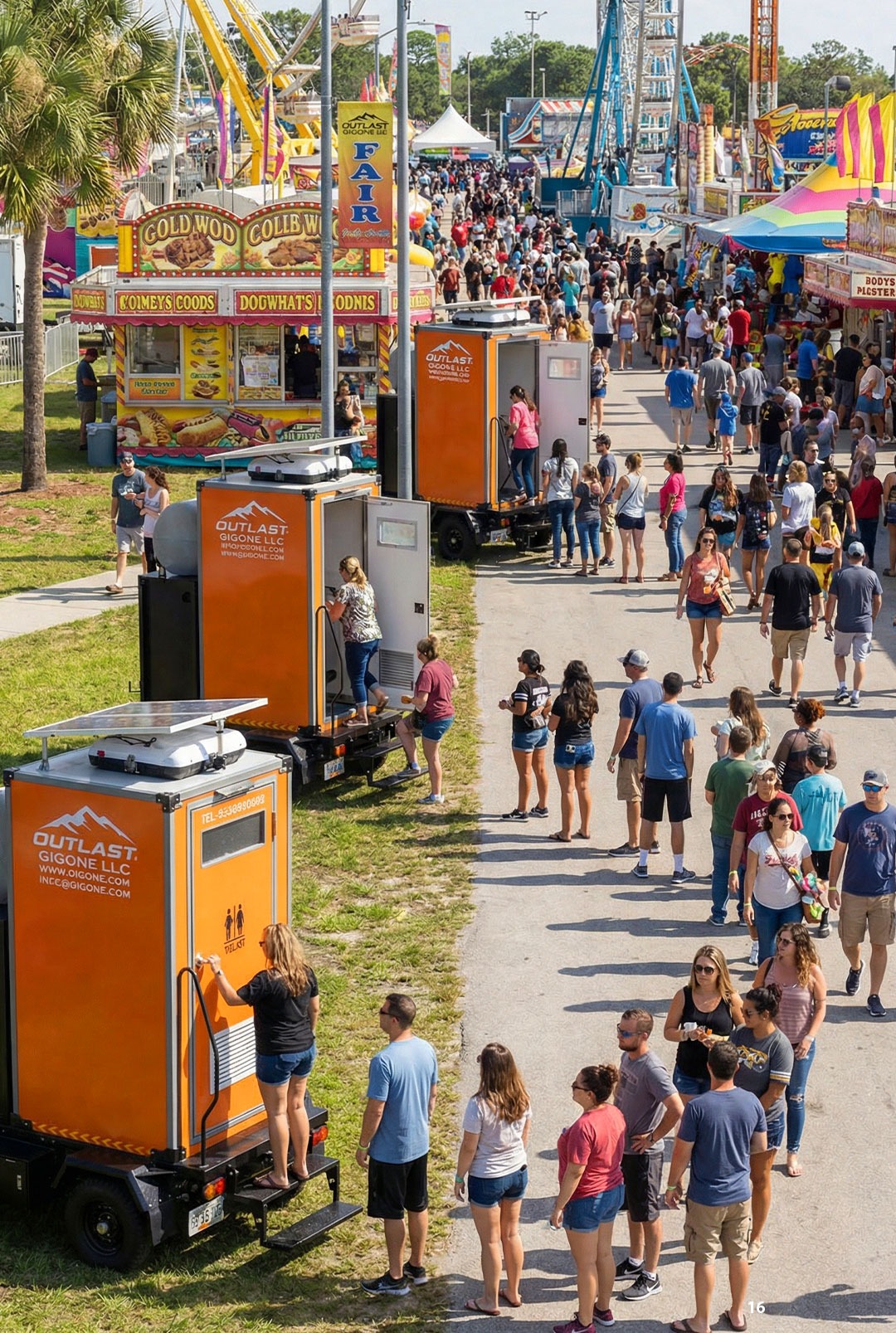
The inclusion of baby changing stations is especially valuable in locations with high family presence, such as:
- Large public events and festivals
- Parks and recreational areas
- Tourist destinations and attractions
- Community gathering spaces
In these environments, users may spend several hours on-site. Family-friendly sanitation becomes a necessity, not a luxury. By offering this option, Premium Mobile Oasis™ enables operators to provide a more complete public service experience.
Community-Oriented Design Beyond a Single Feature
Family-oriented design is not limited to baby changing stations alone. It reflects a broader approach to community usability, including:
- Fully enclosed, private restroom layout
- Cleanable, durable interior surfaces
- Clear spatial organization for ease of use
- Lighting and ventilation designed for comfort and safety
These elements ensure that the restroom remains welcoming and functional for users of all ages.
Aligning with Modern Public-Facility Expectations
Across many regions, public-facility standards increasingly emphasize:
- Inclusivity
- Accessibility
- User dignity
- Hygiene and safety
Family-oriented sanitation solutions align with these expectations by acknowledging that public restrooms serve communities, not individuals in isolation. For broader context on inclusive public facility planning, organizations such as the American Institute of Architects (AIA) highlight the importance of user-centered design in public spaces:
Designed for Temporary and Long-Term Deployment
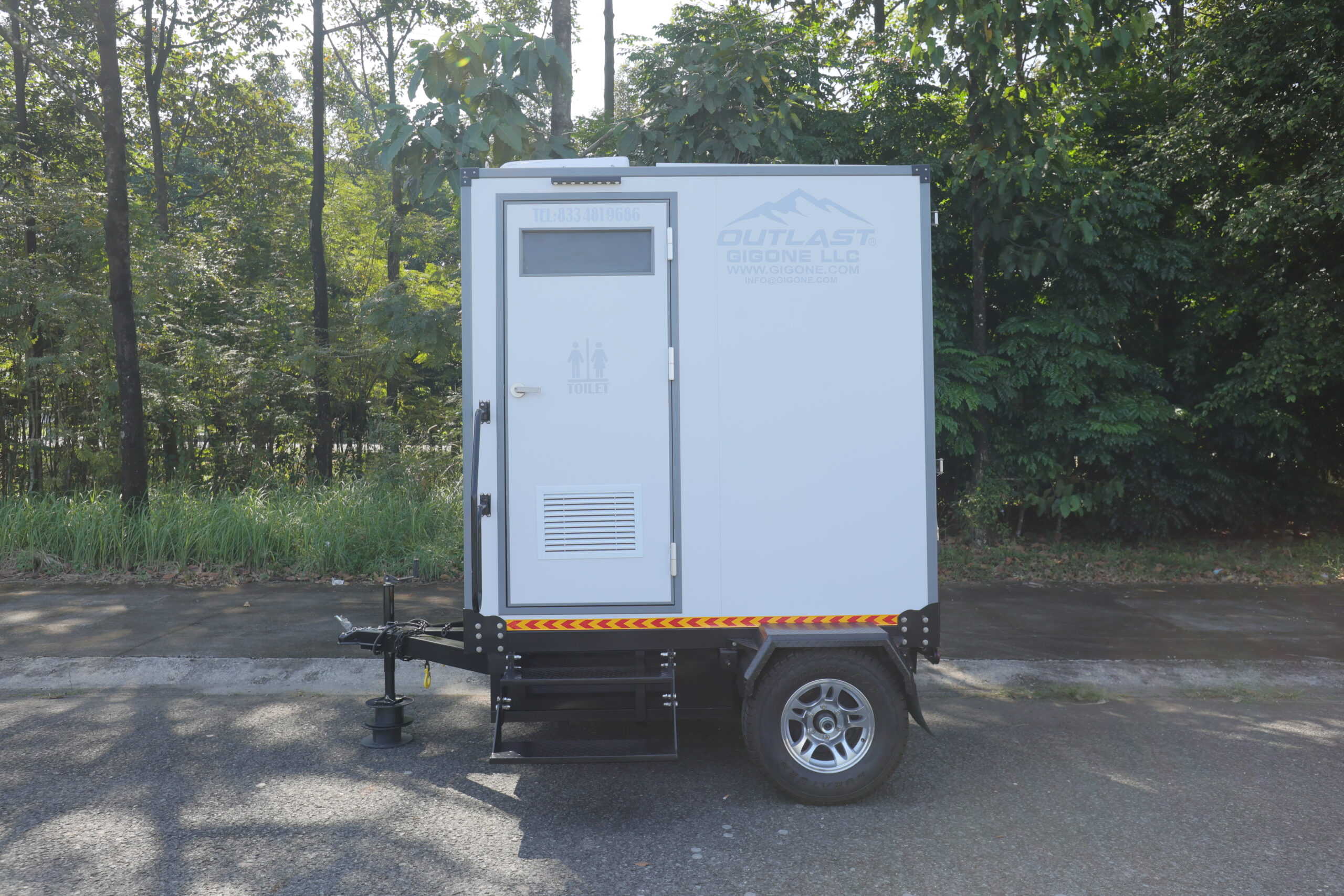
One of the strengths of Premium Mobile Oasis™ portable restrooms is their ability to support both temporary and extended deployments. In long-term scenarios—such as parks, infrastructure projects, or seasonal tourist locations—family-oriented features provide lasting value by:
- Improving public satisfaction
- Reducing complaints or misuse
- Enhancing site reputation
- Supporting repeat visitation
Rather than swapping units or adding temporary solutions, operators can deploy a single system designed to meet diverse needs from the start.
Enhancing Public Trust Through Thoughtful Design
Public-facing sanitation infrastructure directly influences how people perceive a space. Cleanliness, accessibility, and usability contribute to a sense of care and professionalism. By integrating family-oriented features, Premium Mobile Oasis™ units help demonstrate that:
- Users’ needs have been anticipated
- Public comfort has been prioritized
- Facilities are designed, not improvised
This builds trust—an often overlooked but critical component of successful public infrastructure.
Flexible Configuration for Different Use Cases
Not all sites require the same features. Premium Mobile Oasis™ addresses this by offering configurable options rather than fixed layouts. Project planners can choose:
- Standard configuration for general use
- Family-oriented configuration with baby changing station
- Combination setups across multiple units
This flexibility supports a wide range of deployment strategies without compromising system integrity.
Durable Construction for Real-World Use
Family-oriented features must withstand frequent use, cleaning, and environmental exposure. Baby changing stations integrated into Premium Mobile Oasis™ units are designed with:
- Durable materials
- Secure mounting
- Easy-clean surfaces
- Compatibility with routine maintenance
This ensures that inclusivity does not come at the cost of durability or operational efficiency.
Serving Diverse User Groups in Shared Spaces
Community-oriented sanitation design recognizes that public spaces are shared environments. Facilities must support:
- Families
- Individuals
- Caregivers
- Visitors from different cultural backgrounds
By offering thoughtful, inclusive features, Premium Mobile Oasis™ portable restrooms contribute to equitable access without overcomplicating operations.
From Portable Restroom to Community Asset
When sanitation infrastructure meets real user needs, it becomes more than a utility—it becomes a community asset. Across both Model AA-1P and Model A-1P, Premium Mobile Oasis™ demonstrates that portable restrooms can:
- Support families
- Improve public experiences
- Align with modern design standards
- Operate reliably in diverse environments
This shift in mindset is key to redefining portable sanitation in contemporary public spaces.
Conclusion: Inclusive Design Creates Lasting Value
Family- and community-oriented design is no longer optional in modern sanitation planning. It is a reflection of how public spaces are used—and how communities expect to be supported.
provides a practical, inclusive solution that serves families, caregivers, and communities alike.
Our mobile restroom solutions are designed to support projects and events across Florida, Georgia, Alabama, South Carolina, and Tennessee, meeting the expectations of large-scale operations, long-duration deployments, and professionally managed environments.
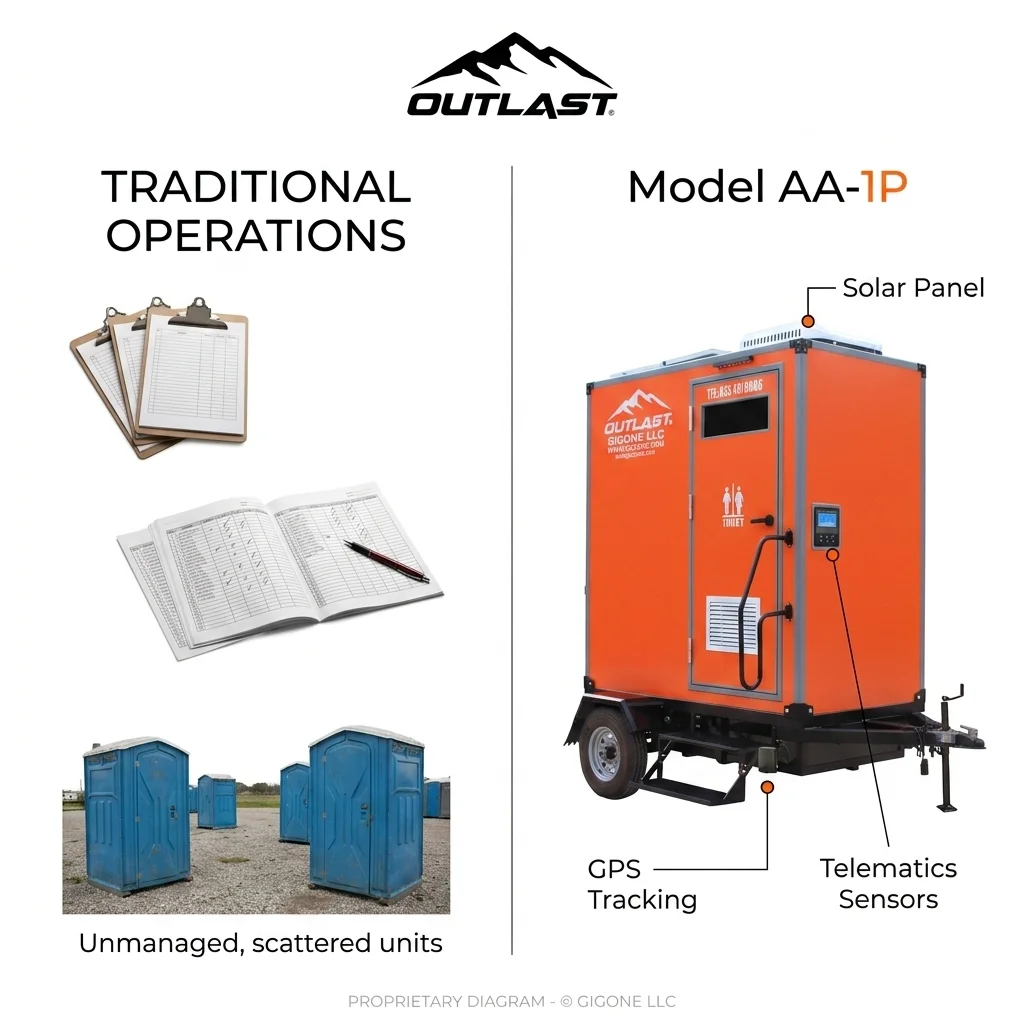
For operators and planners seeking sanitation systems that balance usability, inclusivity, and durability, Premium Mobile Oasis™ Model AA-1P and Premium Mobile Oasis™ Model A-1P deliver value that extends far beyond basic requirements.
Leave a Reply
You must be logged in to post a comment.