

Table of Contents
In the rugged expanse of remote worksites, whether mining operations in distant mineral fields, sprawling road-construction corridors, or energy-sector installations far from urban centers, the provision of basic amenities is not a luxury but a necessity. Portable restrooms in remote worksites offer a practical, efficient, and health-focused solution, transforming how workers experience comfort, safety, and productivity outside the bounds of permanent infrastructure.
We explore why portable restrooms matter in remote settings, how state‑of‑the‑art product design enhances functionality, and how modern mobile restroom solutions, from sensor‑lit cabins to solar-powered units, support worker well-being, hygiene, and efficient on-site operations.
Why portable restrooms are vital in remote locations

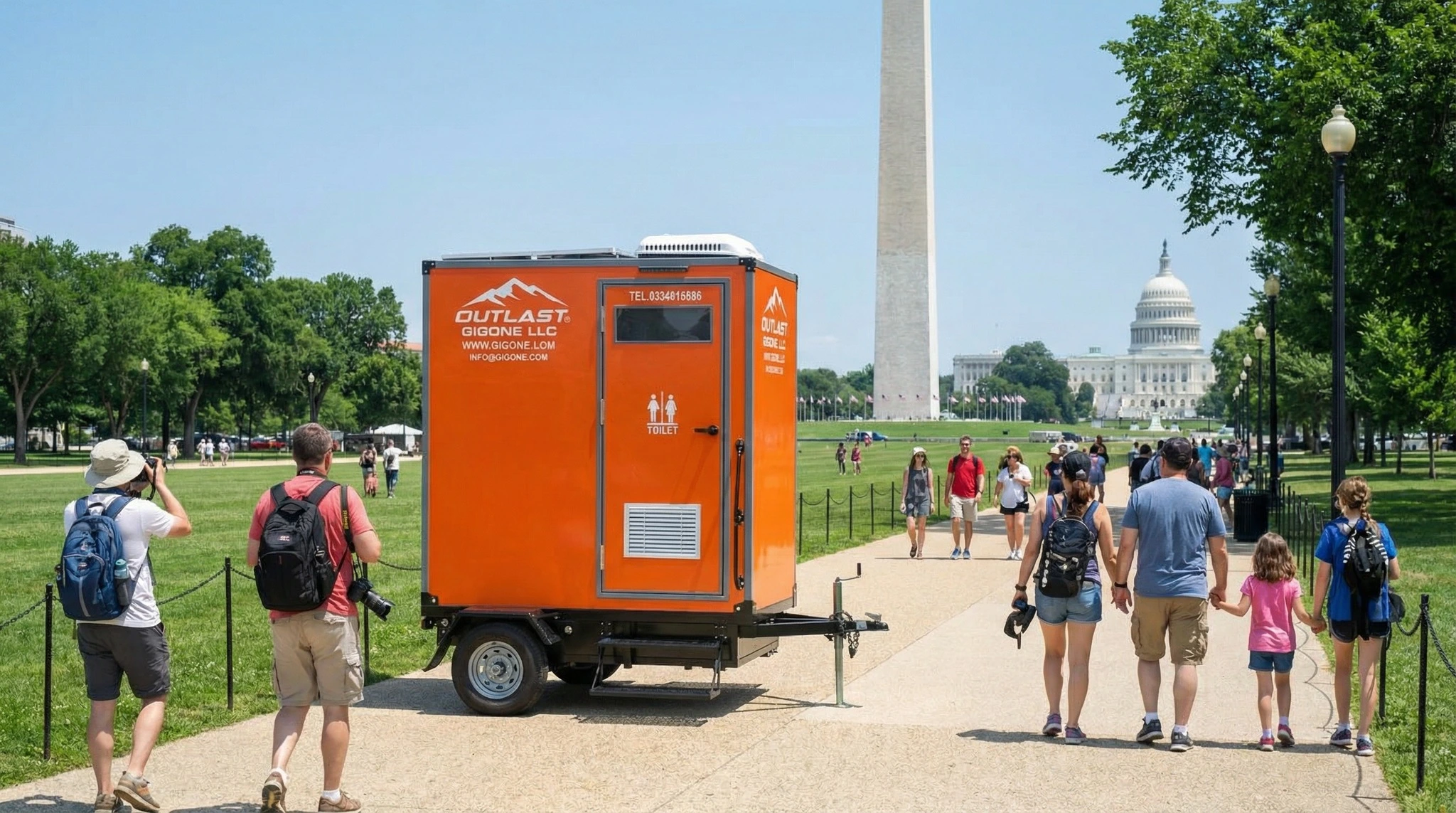
The portable restroom nowadays is designed for remote locations and other situations.
When off-grid or underdeveloped terrain becomes our workspace, think desert oilfields, remote highway construction zones, or isolated mining camps; the absence of basic facilities can pose serious challenges. Workers might endure long hikes or vehicle trips to reach distant restrooms, reducing efficiency and increasing safety risks. Portable restrooms bridge that gap by bringing necessary amenities right where teams operate.
A stable, well-maintained mobile restroom improves daily routines: no more interrupting workflow, no more delays returning to site headquarters for basic needs. Instead, employees enjoy immediate access to sanitation. That seemingly small convenience carries big benefits: it saves time, minimizes fatigue, and supports worker morale, especially during long shifts in extreme weather or rugged terrain.
Moreover, portable restrooms contribute to health protocols. In remote projects, access to water and plumbing is limited, so a standalone mobile restroom with integrated handwashing sinks, flushing systems, or chemical treatment units maintains hygiene standards. This reduces the risk of gastrointestinal or other communicable illnesses, essential when medical support may be hours away.
By delivering convenience, safety, and hygiene, portable restrooms and mobile restrooms become an extension of workplaces and a silent partner, ensuring consistent operations across wider, untamed landscapes.
Boosting productivity: mobile restrooms as time and resource savers

Mobile restrooms are boosting productivity in the construction site
Time is the currency of remote projects. Every minute a worker spends walking offsite to use a traditional restroom or waiting for it to become available can accumulate into hours of lost productivity over a week or month.
Deploying Portable restrooms in remote worksites directly on-site cuts that time. Workers no longer need to leave equipment behind or interrupt workflows. The gained minutes across an entire crew translate to more tasks completed, better use of costly machinery, and smoother coordination among teams.
Beyond direct labor savings, mobile restroom solutions, especially when clean, well-equipped, and maintained, have a positive psychological impact. Workers feel respected and valued when their basic needs are met on-site. This fosters ownership of communal spaces and a culture of mutual respect. As a result, time once spent managing complaints or disciplinary issues shifts to further productive activity.
Cost‑wise, Portable restrooms in remote worksites often come with modular maintenance plans, emptying tanks, refilling water, refreshing supplies, and cleaning. These floors alone might seem like an added expense, but they pay off by avoiding project delays, reducing sick days, and maintaining morale. In short, proactive investment in mobile restroom infrastructure is a strategic win for remote-site operations.
Smart design enhances hygiene, safety, and worker experience

The portable restroom is a smart design with hygiene, safety for worker
A Portable restrooms in remote worksites is only as good as its design. Modern solutions are a far cry from dingy chemical buckets; instead, they feature thoughtful elements that respond to worker needs and safety demands.
Sensor-activated lighting is vital in low-visibility conditions. Whether workers clock early morning or late shifts under floodlights, automatically lit interiors eliminate fumbling with switches and reduce hazard risk.
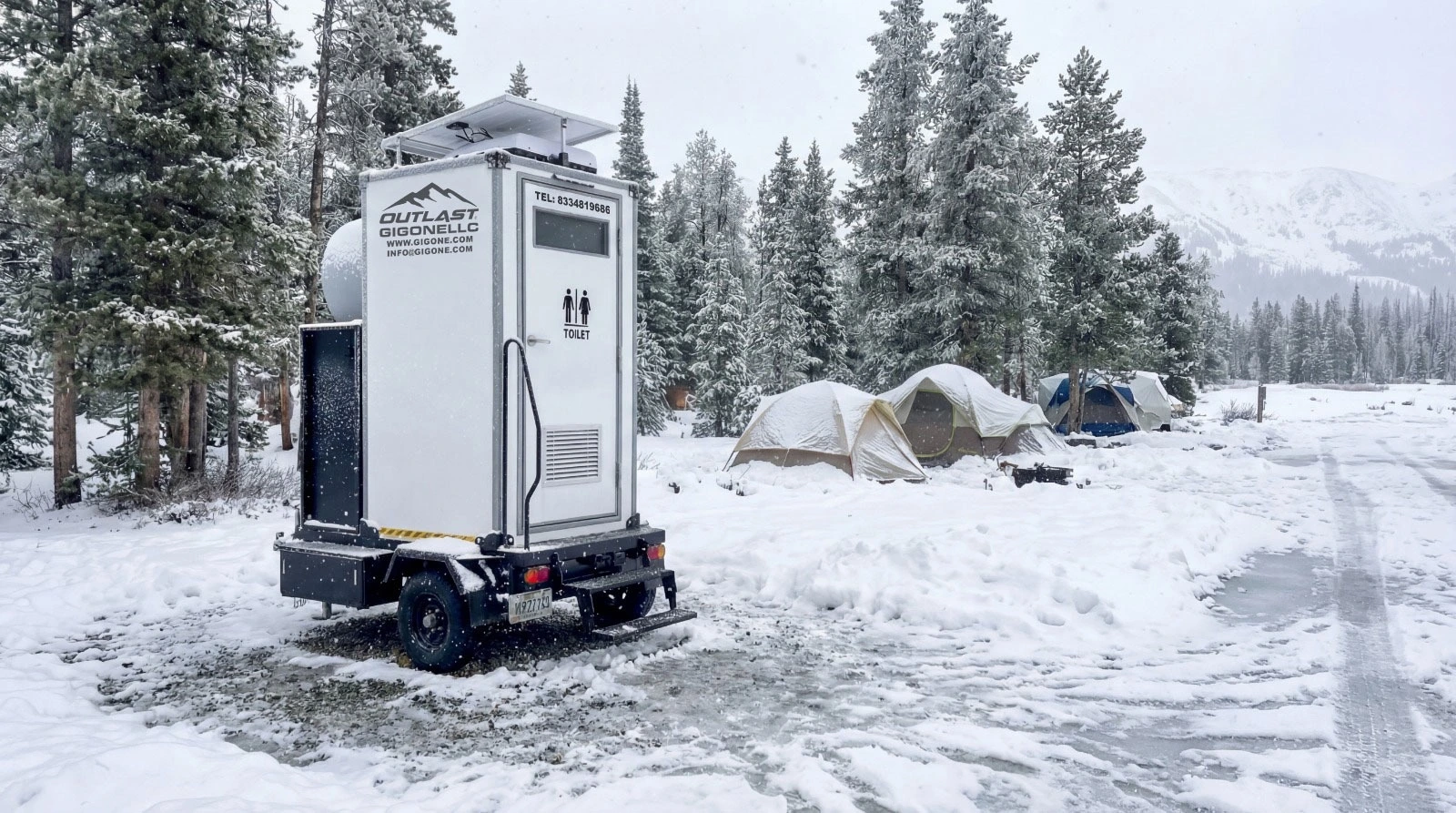
Solar panels mounted on unit roofs provide sustainable power for lighting, fans, and sanitizer dispensers. This eliminates the need to run fuel generators or lay cables across rough terrain. It also aligns with sustainability goals increasingly required by corporate ESG policies and community regulators.
Some units include chemical-free flushing systems. Using minimal water plus sanitizing tablets, these systems reduce dependence on freshwater supply trucks and eliminate noxious odors. Others integrate ventilated holding tanks with eco-friendly deodorant to improve user experience and minimize downwind impacts.
Built‑in privacy and comfort features, such as tinted windows, quiet ventilation fans, and ambient music modules, help normalize the experience of using a mobile restroom, almost like a private washroom cubicle. These extras may feel optional, but they speak volumes about care for worker dignity and satisfaction.
But hygiene remains the top priority. Self‑cleaning surfaces and antimicrobial coatings reduce pathogen spread between uses. Many companies implement spray‑on disinfectants automatically after each use. In pandemic-aware times, these touch-free features are both expected and indispensable.
Health, safety, and epidemic preparedness in portable restrooms
Take note when you’re working in the Portable restrooms in remote worksites
Remote work sites often follow strict health and safety regulations. Portable restrooms must meet, and ideally exceed, these standards, especially in the context of epidemics or heightened infection control.
First, units should offer touch-free operation: sensor faucets for handwashing, automatic soap dispensers, and self-opening doors or foot-operated toilets. This greatly cuts down on transmission points for bacteria and viruses.
Second, regular maintenance is non-negotiable. Providers should offer scheduled service visits, daily or weekly, for thorough cleaning, disinfection, tank emptying, and supply restock. That ensures neither odor nor health hazards accumulate unexpectedly.
Third, durable construction with antimicrobial materials, like copper‑alloy fixtures or UV-light treatment systems, safeguards high-touch surfaces. These measures help reduce disease agents between crews and over time.
Fourth, waste containment is critical. In remote locations, especially, improper disposal of chemicals or bio-waste is unacceptable. Modern mobile restroom systems isolate waste in sealed tanks; discharge follows regulated procedures and environmental standards.
Finally, epidemic readiness means protocols and features that can adapt to emergencies. Some portable restrooms include built-in UV-C light disinfection units or attachments for hand sanitizer. gel stations outside each door. In case of known influenza or norovirus outbreaks in the workforce, clearly labeled and single-occupancy restrooms can be deployed fast, helping isolate and contain.
Changing perceptions: Portable restrooms in remote worksites as professional tools
The portable restroom gives durability and sanitizer for worker
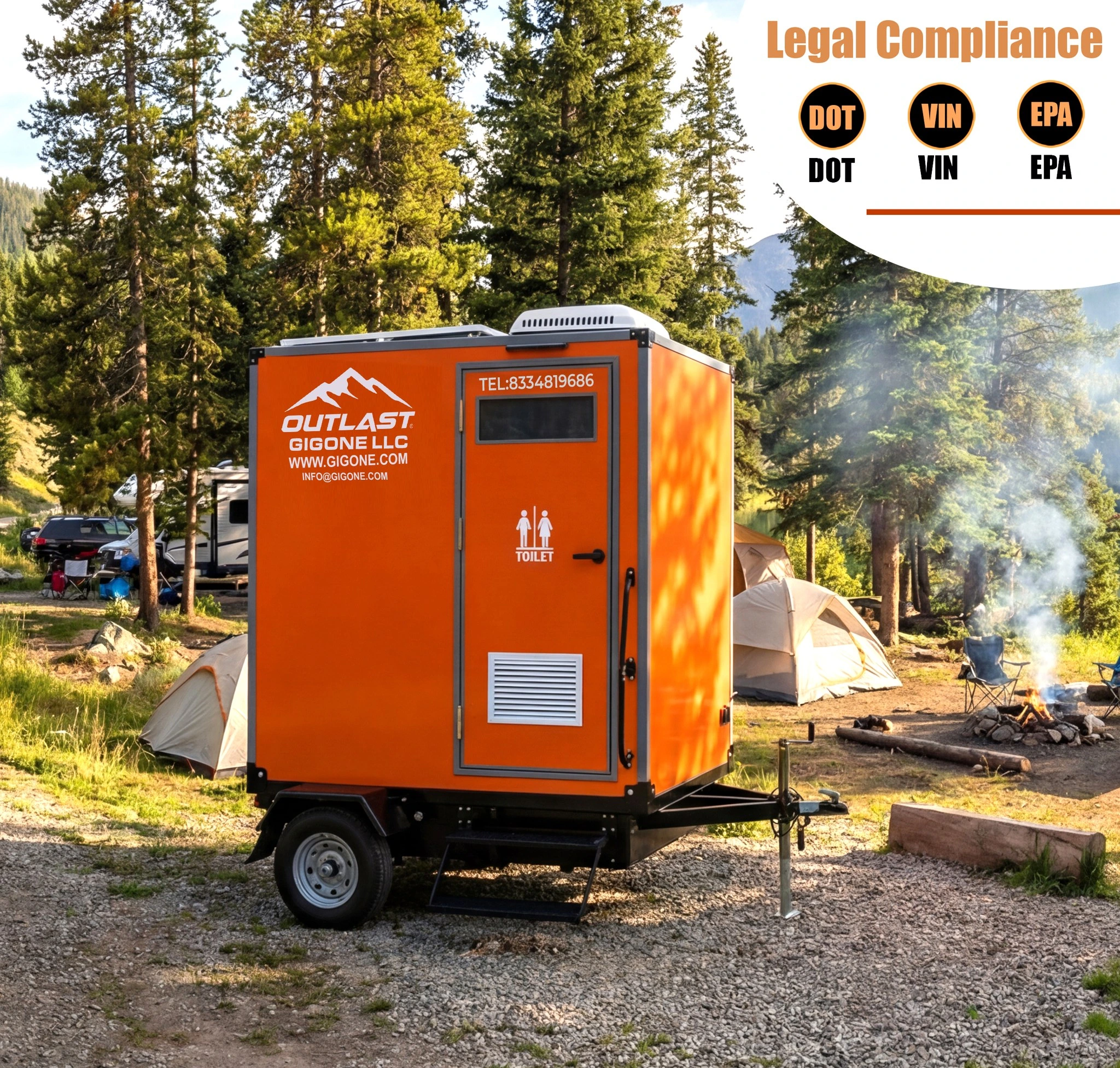
For decades, the phrase “portable toilet” brought to mind the squatty chemical box at a festival, even one resident in a cloud of odor. But modern mobile restrooms, like those produced by Gigone LLC, are designed to replace that outdated image. Our units look like miniature restroom cubicles: sleek exteriors, neutral tones, and clean shapes. Inside, the ergonomic layout, LED lighting, sensor fixtures, and odor-free environment.
This shift in design elicits confidence: to decision-makers managing remote projects, a station branded and delivered in professional style sends a message. It shows care for on-site personnel, compliance with EPA, VIN, and DOT standards, and environmental awareness. In short, mobile restrooms become part of the corporate identity and quality narrative.
For workers, too, using a high-quality mobile restroom shifts their mindset. It’s no longer a chore; it’s another helpful mechanism that lets them focus on their tasks while still supporting fundamental needs. Studies in workforce well‑being reveal that when basic comfort is addressed, employees report higher job satisfaction and lower levels of fatigue, especially crucial in remote sites where isolation and monotony can wear on morale.
Case studies: how modern mobile restrooms made a difference

The mobile restroom made a difference
Across industries, companies deploying advanced portable restroom solutions have realized tangible benefits.
Mining in Western Australia: A large lithium mine implemented mobile restroom trailers equipped with solar lighting and chemical-free flush systems. Over six months, the mine reported a 20% drop in worker complaints about facilities, a 15% reduction in unproductive time spent leaving sites, and no recordable hygiene-related incidents. The solar lighting also reduced generator runtime by 8%.
U.S. Highway Expansion Project: A state DOT replaced its legacy chemical toilets with EPA-compliant portable restroom trailers along a long rural highway construction zone. The move coincided with improved site safety: night-shift crews had accessible, lit restrooms, and maintenance trucks no longer had to shuttle workers miles. The overall productivity increase was estimated at 12%, with cost savings offsetting rental fees within months.
Remote Energy Drilling Site in Canada: The operator installed sensor-lit mobile restrooms with UV disinfection inside a remote energy drilling camp. During a seasonal flu outbreak, crew cross-infection dropped dramatically compared with previous winter seasons. Unit interiors were remarkably odor-free and remained hygienic under heavy demand.
Optimizing portable restroom selection for your needs
Gigone LLC is the manufacturer and bulk rental of portable restroom.
Not all remote work sites are alike. Selecting the right mobile restroom involves several factors:
- Occupancy and crew size: A small crew may be well-served by single-stall units with high cleaning frequency, while larger crews need trailers with multiple stalls, urinals, and dedicated hand-washing stations. Some providers even offer portable restroom trailers with separate men’s/women’s sections
- Duration and mobility: Long-term sites, such as a multi‑year mine, benefit from solid, trailer‑based systems. Shorter deployments may favor modular single units transported on flatbeds.
- Local climate: In extreme heat, units with shade awnings, heat-reflective roofing, and cooling fans are better. At cold locations, insulated units with heater options ensure usability year-round.
- Service accessibility: If vacuum trucks can’t reach the unit easily, options like extendable holding-tank trenches become necessary. Or chemical systems may need flushing frequency adjustments
- Compliance requirements: ADA accessibility, EPA regulations on waste disposal, OSHA safety rules, and even local indigenous land-use agreements can affect toilet selection.
- Power alternatives: If electrical access is limited, solar-only or battery-powered mobile restrooms are preferred. For high-usage areas, hybrid solutions (battery + solar + optional generator) can ensure continuous light and sanitation functions.
Make your provider part of planning conversations. A leading supplier like Gigone LLC will walk through site plans, crew schedules, seasonal conditions, and logistical constraints, then propose a tailored fleet of portable restrooms, monitor service logs, and adapt supply as needs evolve.
Gigone LLC: your partner for advanced mobile restrooms

Let’s call for Gigone LLC to discuss about the Portable restrooms in remote worksites
At the forefront of this industry is Gigone LLC, a U.S.-based manufacturer and rental company specializing in high-performance mobile restroom solutions. Whether your project spans rugged roadways, isolated mining operations, or off-grid energy sites, Gigone LLC offers units designed from the ground up to support worker health, site efficiency, and corporate responsibility.
Every unit in the Gigone LLC fleet includes advanced features like sensor-activated lighting, solar backup power, and antimicrobial surfaces. Their chemical-free flush systems and sealed-waste tanks ensure compliance with environmental standards and enable operation even in the most remote or ecologically sensitive locations.
But Gigone LLC goes beyond hardware. Their professional service teams deliver flexible maintenance plans: same-day restock of supplies, emergency cleaning, urgent repairs, and real-time usage reporting. They’ll help your planning team optimize fleet size and service cadence, preventing excess costs or last-minute gaps.
If you’re managing remote work, mining in deserts, installing power lines across wilderness, or expanding highways through rural zones, Gigone LLC has the solution. Portable restrooms in remote worksites are purpose-built, meticulously maintained, and purpose-deployed: designed to replace outdated models and elevate user experience, never compromising on health or productivity.
Portable restrooms as productivity, safety, and well-being tools
Portable restrooms are no longer mere convenience, it’s a strategic assets
Portable restrooms in remote worksites are no longer mere conveniences; they’re strategic assets for modern remote worksites. From improving productivity by reducing time spent walking offsite to reinforcing hygiene through sensor-driven design and chemical-free systems, and from changing the way workers perceive onsite comfort to supporting epidemic-resilient practices, these units have evolved into essential pieces of site infrastructure.
Modern features like solar lighting, antimicrobial materials, privacy design, and compliance-ready layouts are not bells and whistles; they’re investments that save time, enhance safety, and show respect for the workforce.
As the pioneer in this space, Gigone LLC commits to replacing dated portable restrooms with sleek, efficient, user-focused mobile restrooms built for modern remote demands. From design through delivery and service through scaling, we’re here to support your teams every step of the way.



Leave a Reply
You must be logged in to post a comment.