
Table of Contents
A portable restroom might be temporary in purpose, but it shouldn’t be temporary in quality. Whether it’s a porta-potty used on a construction site, a mobile restroom stationed at an outdoor event, or a sanitation unit at an agricultural facility, longevity is key to maximizing return on investment. Poor maintenance can lead to foul odors, dissatisfied users, equipment failure, and ultimately, replacement costs.
At Gigone LLC, we design portable restrooms built to last, but proper upkeep is essential. This blog offers a complete guide to cleaning, maintaining, and protecting your portable sanitation units to ensure they stay hygienic, durable, and fully operational for years to come.
Why maintenance matters

Taking good care of the portable restroom and being careful with maintenance are two factors that help your restroom last longer.
Many users underestimate the long-term value of a well-maintained portable restroom. The truth is, a clean and fully functional unit doesn’t just enhance user satisfaction; it also reduces downtime, protects your brand, and lowers operational costs.
Key reasons why maintenance is critical
- Durability: Proper cleaning and component care help prevent wear and tear, corrosion, and early part failure.
- User health & safety: A sanitary environment prevents the spread of bacteria, viruses, and unpleasant odors.
- Cost-efficiency: Regular service avoids expensive repairs or premature replacements.
- Reputation: In the event and construction industries, clean restrooms reflect professionalism and respect for the end user.
For clients who own or rent large fleets of portable restrooms or mobile restrooms, the benefits multiply. A proactive maintenance routine ensures your inventory remains service-ready, minimizing service complaints and regulatory issues.
Daily and weekly cleaning routines

Regularly check portable toilets and report any problems immediately.
Regular cleaning is the foundation of any long-lasting porta-potty. Depending on usage frequency and climate conditions, your cleaning schedule should be either daily, weekly, or biweekly.
Step-by-step cleaning process
Pump out the holding tank
- Use a vacuum truck or pump system to remove waste.
- Ensure all contents are properly disposed of per EPA regulations.
Pressure wash interior surfaces
- Clean walls, floors, seats, and urinals using mild detergents.
- Focus on high-contact areas like door handles and seat lids.
Apply disinfectant spray
- Use EPA-approved sanitizers to eliminate bacteria and viruses.
- Let surfaces dry before reassembly.
Deodorize the unit
- Refill tanks with blue deodorizing liquid.
- Use hanging air fresheners or odor-neutralizing gels if needed.
Restock supplies
- Toilet paper
- Hand sanitizer or soap
- Paper towels (if applicable)
Inspect structural integrity
- Check for cracks, leaks, broken parts, or faulty locks.
- Replace damaged components immediately to avoid accidents or hygiene issues.
Cleaning frequency recommendations
| Type of use | Cleaning frequency |
| One-day public events | After the event or every 6 hours |
| Construction sites | 1–2 times per week |
| Agricultural locations | Weekly |
| High-traffic venues | Daily |
| VIP or luxury mobile units | Before & after each use |
Keeping a log of cleanings and maintenance checks helps ensure compliance, especially when managing a fleet of mobile restrooms.
Preventing common issues

Solving the odor in the portable restroom will make the customer experience better.
Preventive care saves you from the most frequent and costly problems that affect porta-potty and portable restroom units. Below are practical strategies to avoid them.
Odor control
Nothing ruins the user experience faster than a foul-smelling toilet.
How to prevent it
- Use high-quality deodorizing chemicals.
- Install cross-ventilation systems (included in all Gigone models).
- Empty waste tanks before they reach 80% capacity.
- Choose tanks with air-sealed valves to reduce odor leakage.
Mold, rust, and bacteria
Humidity, poor airflow, and organic matter can trigger microbial growth that corrodes surfaces and poses health risks.
Best practices
- Schedule routine disinfection with antimicrobial cleaners.
- Use materials that are moisture-resistant and rust-proof (e.g., aluminum frames and composite interiors).
- Keep doors closed when not in use to block out pests and dust.
Vandalism prevention
Vandalism is a major cause of damage, especially on unattended construction or festival sites.
Strategies to prevent vandalism
- Use tamper-resistant locks and reinforced doors.
- Install motion-activated lights inside and around the units.
- Add GPS tracking (standard in Gigone’s mobile restroom line) to monitor location and receive alerts if a unit is moved or tampered with.
- Position restrooms in visible, monitored areas.
Weather damage
Wind, rain, UV exposure, and temperature extremes all take a toll on portable units.
How to protect your units
- Choose units that are wind-resistant up to 100 mph, like Gigone’s weather-ready models.
- Anchor the base using ground spikes or weight systems.
- Use UV-resistant roof and wall materials to reduce cracking and fading.
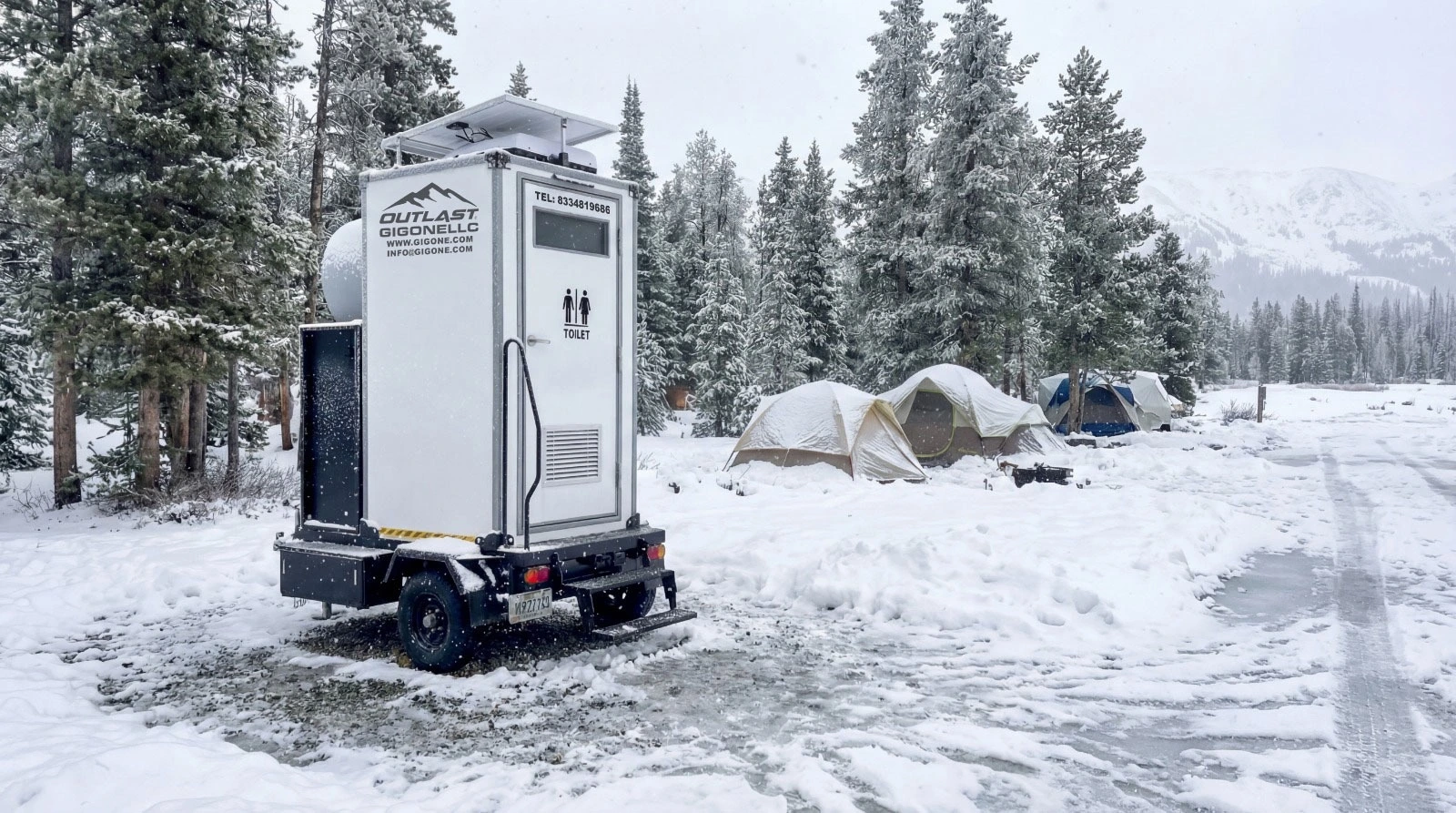
- For winter, insulate tanks or use antifreeze chemicals in waste solutions if needed (depending on climate and region).
Long-term care and best practices

Education your staff and customers is the best way to help your portable restroom look newer
Beyond routine cleaning, long-term strategies can dramatically improve the lifespan of your portable restrooms and mobile restrooms.
Seasonal storage and redeployment
If your units are not used year-round
Before storage
- Fully empty and clean the tank
- Remove batteries or solar components for indoor storage
- Cover ventilation to block insects and rodents
Before deployment
- Inspect seals, latches, and roof for leaks
- Recharge or replace batteries in lighting systems
- Clean and disinfect completely
Regular component checks
Inspect the following at least once a month
- Door hinges and closing mechanisms
- Waste tank valves and seals
- Roof vents and lighting systems
- Floor grip texture for wear or slipperiness
- Sink systems and plumbing (for flushable or luxury units)
Gigone’s product line includes maintenance kits for easy replacement of seals, handles, and pumps without needing full unit replacements.
Staff training and signage
Teach users and staff how to treat portable units with care.
Include signage with rules like
- Don’t throw trash or sharp objects in the toilet
- Report damage immediately
- Use provided sanitizers or sinks before and after use
These simple practices reduce misuse and prolong the life of your porta-potty units.
Work with trusted manufacturers
Choose manufacturers that provide
- Spare parts and modular components
- Maintenance guides and service support
- Upgrade options (solar lights, odor control fans, GPS integration)
- Warranties and technical assistance
Gigone LLC provides long-term support and servicing for all our portable restroom and mobile restroom models because we believe customer satisfaction continues well after delivery.
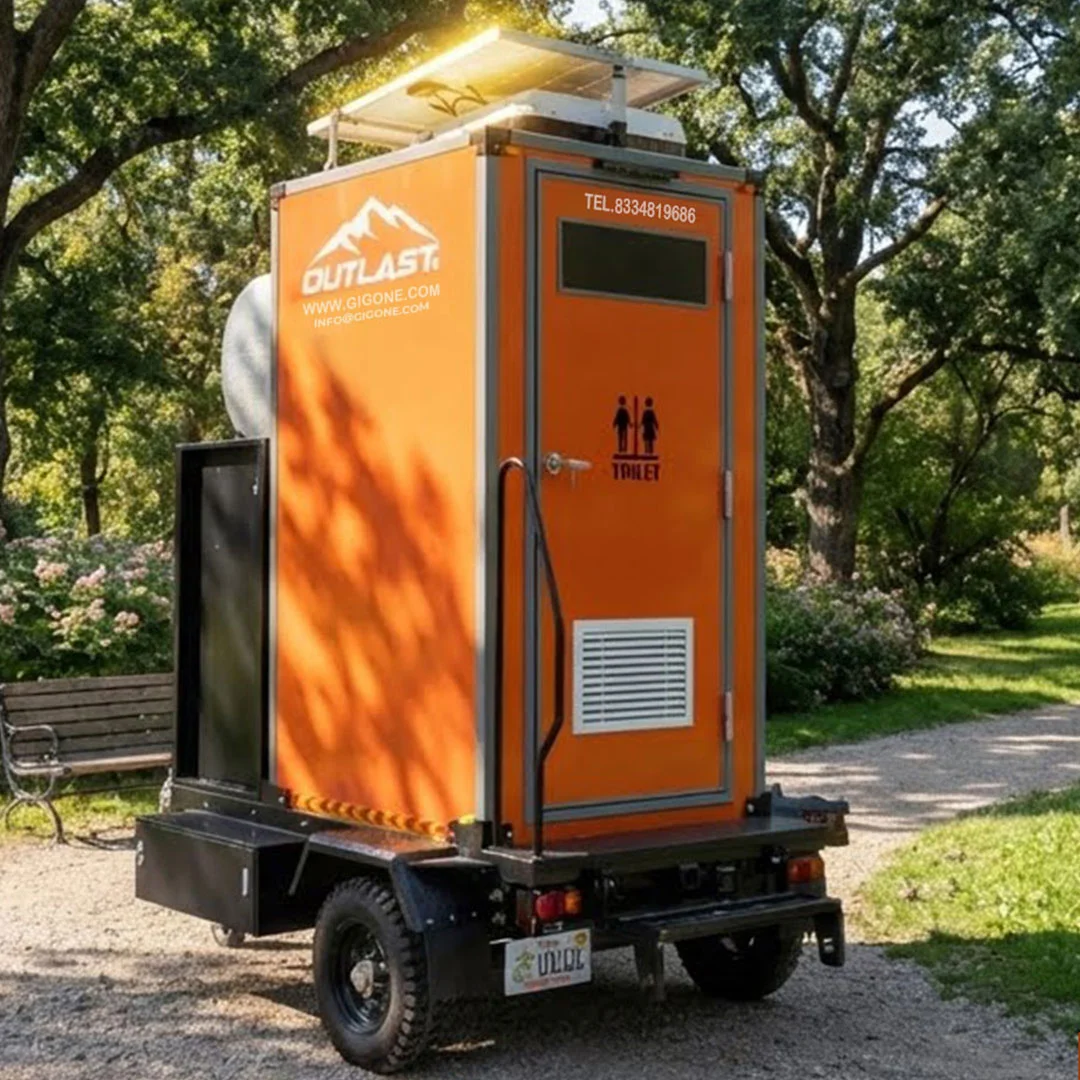
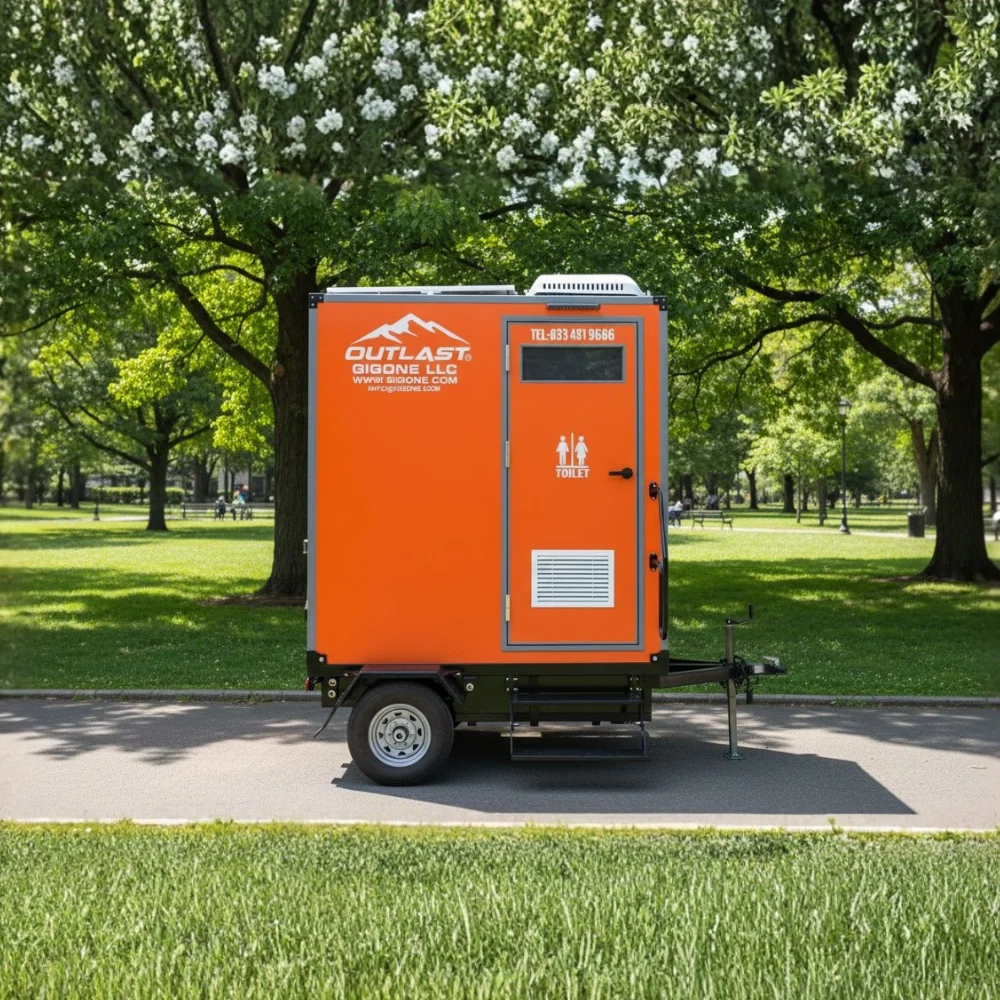
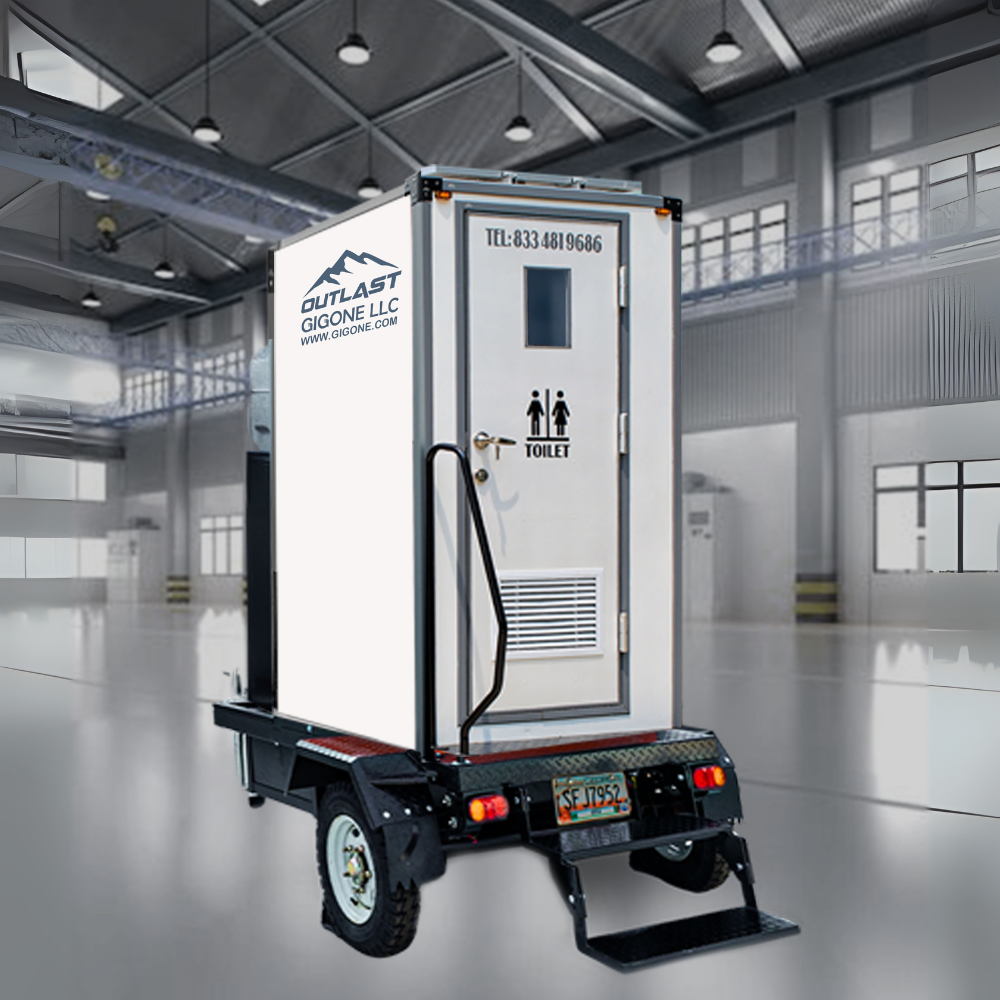
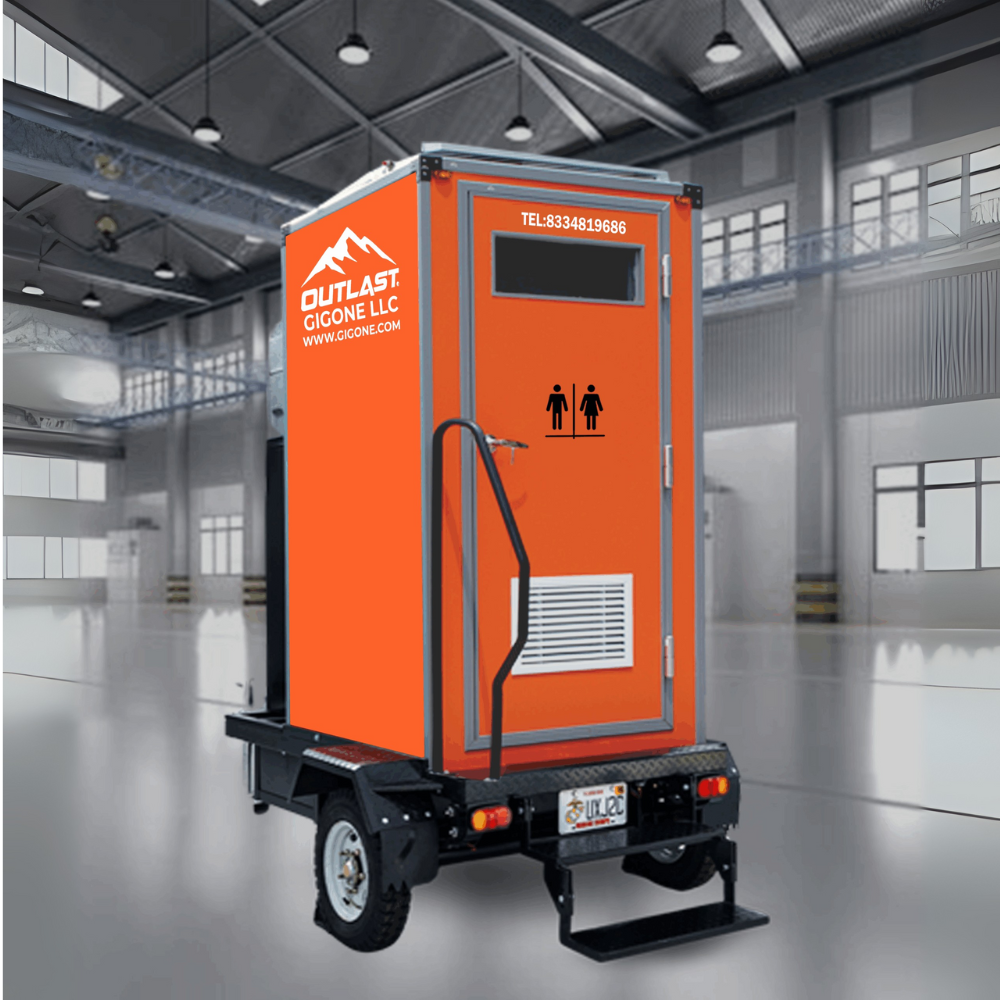
The key to a long-lasting portable restroom is more than just tough construction; it’s smart, consistent maintenance. From daily cleaning routines and odor control to weather protection and vandalism prevention, each step you take contributes to a cleaner, safer, and more cost-effective sanitation solution.
By following the best practices outlined above, you’ll extend the life of your portable restroom, protect your investment, and ensure every user walks away with a positive impression.
At Gigone LLC, our products are built to last, and with the right care, they’ll deliver exceptional performance for years to come.



Leave a Reply
You must be logged in to post a comment.