

A Compliance-First Engineering Approach for Regulated and Long-Term Environments
Portable sanitation has long been treated as a temporary convenience rather than a critical component of public infrastructure. In many environments—construction sites, public events, disaster response zones, government facilities, and remote locations—this assumption creates systemic risk. Failures in sanitation systems do not merely result in inconvenience; they can escalate into public health concerns, environmental violations, operational disruptions, and legal liability.
Gigone was founded on a different premise: when sanitation becomes part of a regulated or long-term environment, engineering responsibility must precede marketing convenience. Instead of focusing on short-term cost minimization or superficial feature differentiation, Gigone approaches mobile sanitation as an integrated system—one designed for accountability, durability, and predictable operation under real-world constraints.
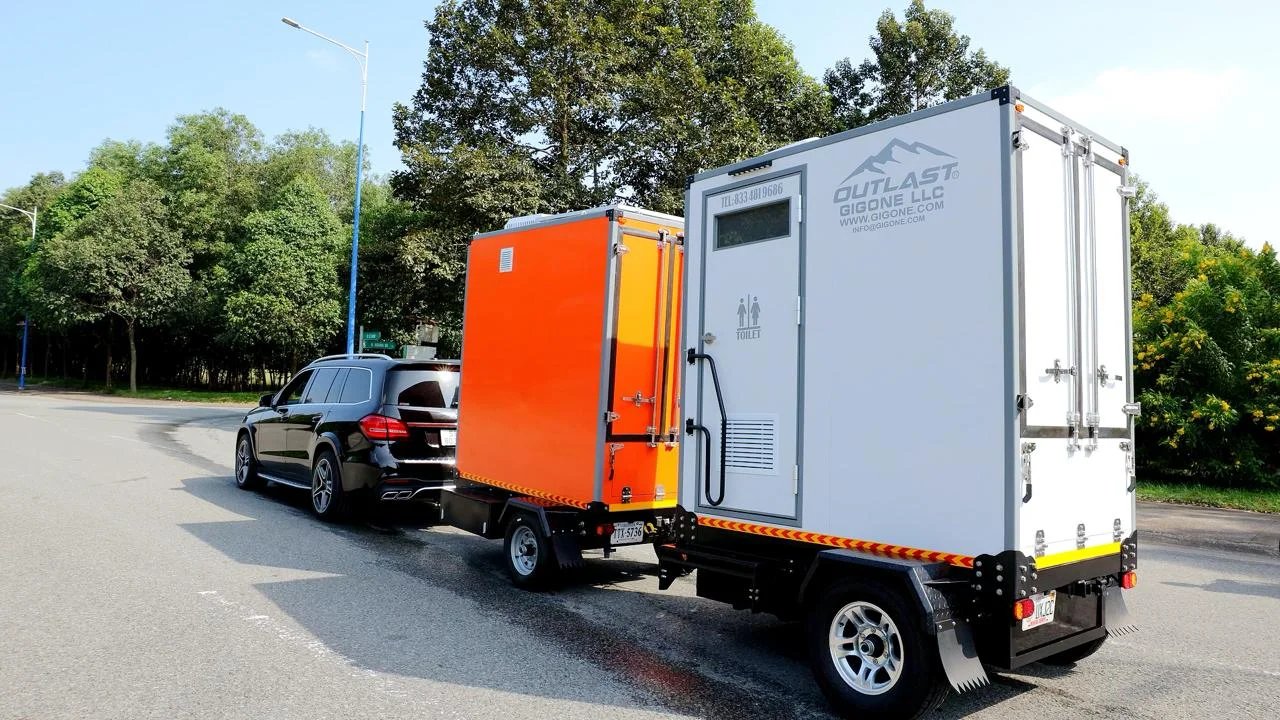
This document outlines Gigone’s compliance-first engineering philosophy, the rationale behind its system architecture, and the broader implications for public agencies, commercial operators, investors, and the sanitation industry as a whole. Gigone does not seek to redefine sanitation through novelty, but through disciplined engineering choices grounded in risk control, operational realism, and long-term responsibility. Our company operates extensively in Florida, Georgia, Alabama, South Carolina, and Tennessee.
Table of Contents
1. Compliance-First Engineering Philosophy
Engineering for Failure, Not Ideal Conditions
Many mobile sanitation products are engineered for ideal scenarios: stable power availability, frequent servicing, mild weather, and attentive operators. Real environments rarely meet these assumptions. Gigone begins its design process by asking a different question: what happens when assumptions fail? This approach leads to deliberate engineering decisions, including:
- Gravity-fed water delivery as the default mode, ensuring baseline operability without reliance on electricity
- Optional pump-assisted systems when power is available, without making power a single point of failure
- Structural load discipline, where water and waste weight are carefully proportioned to maintain stability and transport safety
- Redundancy and simplicity over complexity that increases maintenance risk
- By prioritizing passive reliability before active enhancement, Gigone aligns its designs with environments where power outages, delayed servicing, operator error, or extreme weather are not exceptions—but expected conditions.
Design Decisions That Can Be Explained and Audited
Compliance is not achieved solely through certification labels; it is sustained through design logic that can be explained, documented, and audited. Every major engineering choice within the Gigone system is guided by a traceable rationale—why a component exists, what risk it mitigates, and what trade-offs were consciously accepted. This philosophy supports regulatory review, insurance evaluation, and long-term operational accountability, especially in public or institutional deployments.
2. Extreme-Condition Readiness as a Baseline Requirement
Designing for the Edges, Not the Average
In regulated and mission-critical environments, systems are often judged not by average performance, but by behavior under stress. Gigone designs for:
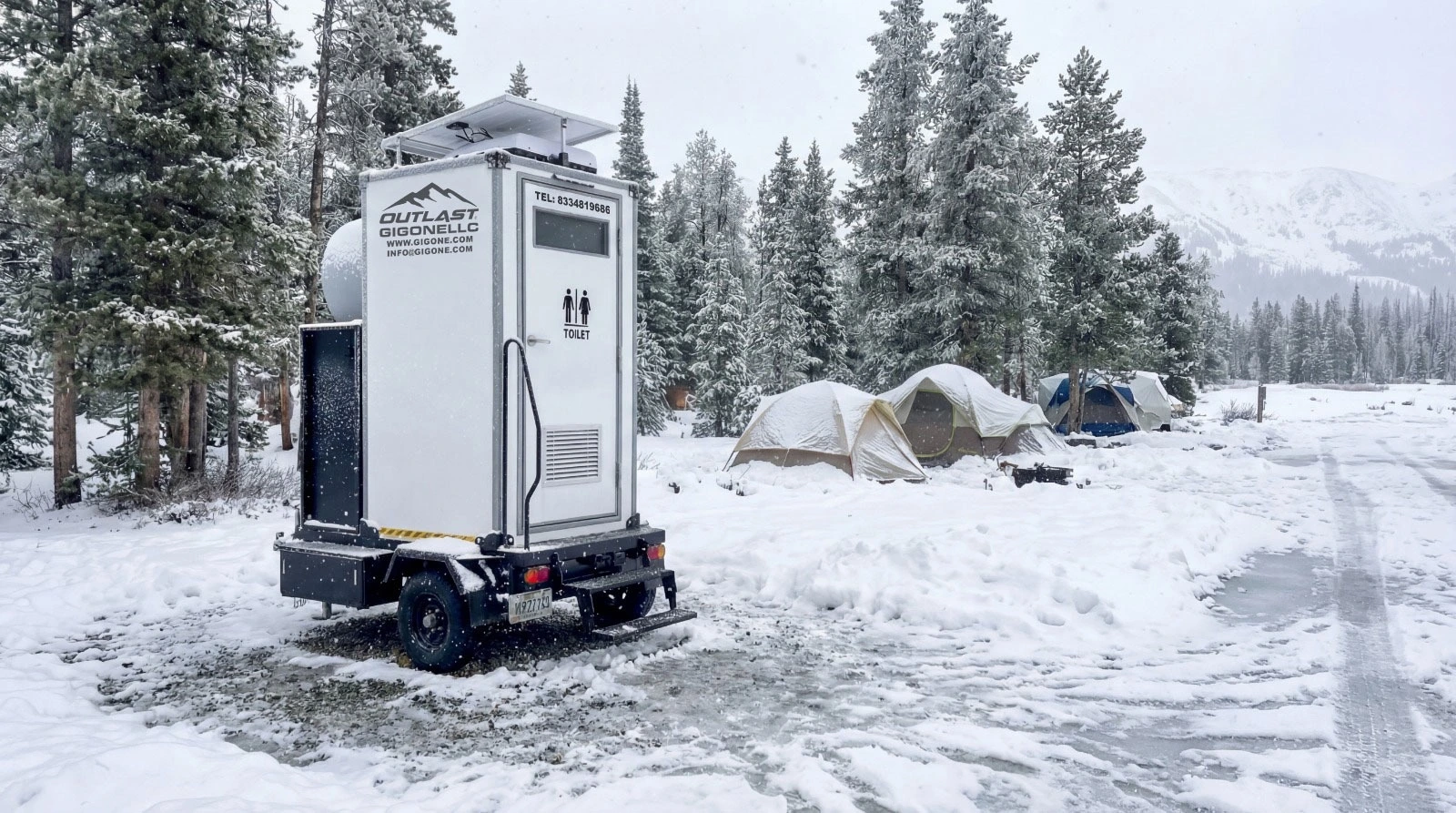
- Cold-weather operation where freezing conditions threaten water and waste systems
- High-usage environments with unpredictable demand spikes
- Remote or temporary locations where service intervals may be extended
- Transportation stress during relocation, including highway compliance considerations
Rather than adding “extreme-use” features as optional upgrades, Gigone treats extreme-condition readiness as a baseline design requirement. This approach reduces the gap between expected and actual performance and minimizes operational surprises.
Stability, Transport, and Structural Integrity
Mobile sanitation units must remain safe and stable during both use and transport. Weight distribution, center of gravity, and structural reinforcement are not aesthetic considerations—they are compliance and safety imperatives. Gigone LLC’s engineering emphasizes controlled weight ratios, structural consistency, and transport-ready configurations to ensure that systems remain predictable across jurisdictions and usage scenarios.
3. Public Health, Environmental Responsibility, and Risk Control
Moving Beyond Chemical Masking
Traditional portable sanitation often relies heavily on chemical additives to manage odor and waste. While chemicals may provide short-term symptom control, they do not address underlying system inefficiencies and can introduce environmental and handling concerns. Gigone adopts a reduced chemical dependency philosophy by focusing on:
- Waste containment and airflow control
- System design that minimizes stagnation and improper mixing
- Operational predictability that reduces the need for corrective chemical intervention
This approach aligns with growing environmental scrutiny, evolving regulatory expectations, and operator preferences for safer, more sustainable solutions.
Human Factors and Operational Error
A significant portion of sanitation failures arises not from component defects, but from human factors—improper use, delayed servicing, or misunderstood procedures. Gigone designs systems that tolerate human imperfection, reducing the consequences of minor operational errors rather than assuming perfect execution. By embedding safety margins into the system itself, Gigone lowers the probability that routine oversight escalates into a public or regulatory issue.
4. Long-Life Asset Responsibility
15+ Year Asset Lifespan as a Design Objective
Gigone systems are engineered with an expected 15+ year asset lifespan, reflecting a commitment to durability rather than disposability. This design objective influences material selection, structural design, and serviceability considerations from the outset. Long-life assets offer distinct advantages:
- Lower total cost of ownership over time
- Reduced replacement cycles and material waste
- Greater predictability for rental operators and public agencies
- Alignment with long-term infrastructure planning rather than short-term procurement
Total Cost Responsibility Over Sticker Price
Initial purchase price is an incomplete metric. Gigone emphasizes total cost responsibility, which includes maintenance stability, downtime risk, regulatory exposure, and asset longevity. For operators and public entities, predictability is often more valuable than minimal upfront cost. Gigone’s approach reflects this reality by prioritizing systems that age gracefully rather than degrade unpredictably.
5. Accountability as a System Feature
When Sanitation Becomes Public Infrastructure
In many deployments, mobile sanitation systems are no longer peripheral conveniences; they function as extensions of public infrastructure. In such contexts, accountability is not optional. Gigone systems are designed to support:
- Clear responsibility chains
- Documented design intent
- Consistent operational behavior
- Regulatory and contractual transparency
This mindset recognizes that equipment design influences not only performance, but also legal, environmental, and reputational outcomes.
A Platform for Industry Maturation
Gigone does not position itself in opposition to the existing sanitation industry. Instead, it offers a structured upgrade path— one that reflects increasing regulatory complexity, public expectations, and operational scrutiny. As mobile sanitation evolves from temporary necessity to integrated infrastructure component, engineering discipline and compliance-first thinking will define the next generation of solutions.
Conclusion
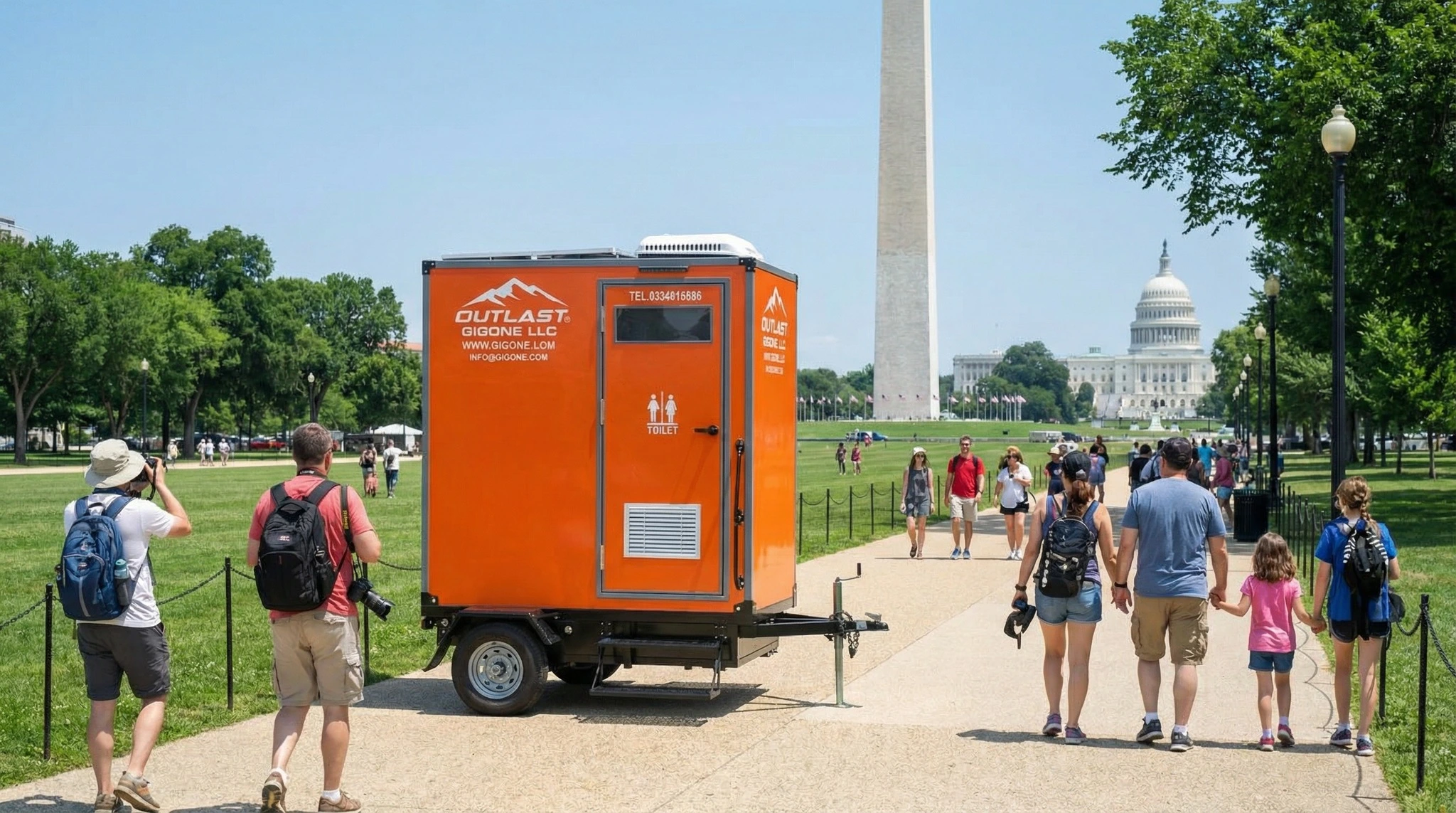
Gigone’s integrated mobile sanitation system represents a shift in priorities: from convenience to responsibility, from short-term solutions to long-term accountability, and from isolated products to coherent systems. Our mobile restroom solutions are designed to support projects and events across Florida, Georgia, Alabama, South Carolina, and Tennessee, meeting the expectations of large-scale operations, long-duration deployments, and professionally managed environments.




Leave a Reply
You must be logged in to post a comment.