
Most fleet owners treat portable sanitation as a fixed operating expense. The operators who outperform their market treat each trailer as a revenue-producing asset with a measurable service life, a daily earning ceiling, and long-term deployment value.
That difference in mindset is often the difference between a fleet that breaks even and a fleet that funds future expansion.
This article provides a 2026 portable restroom business ROI framework for U.S. rental companies, sanitation operators, distributors, and investors evaluating long-term fleet economics.
Table of Contents
Why 2026 Is a Reset Year for Sanitation Fleet Economics
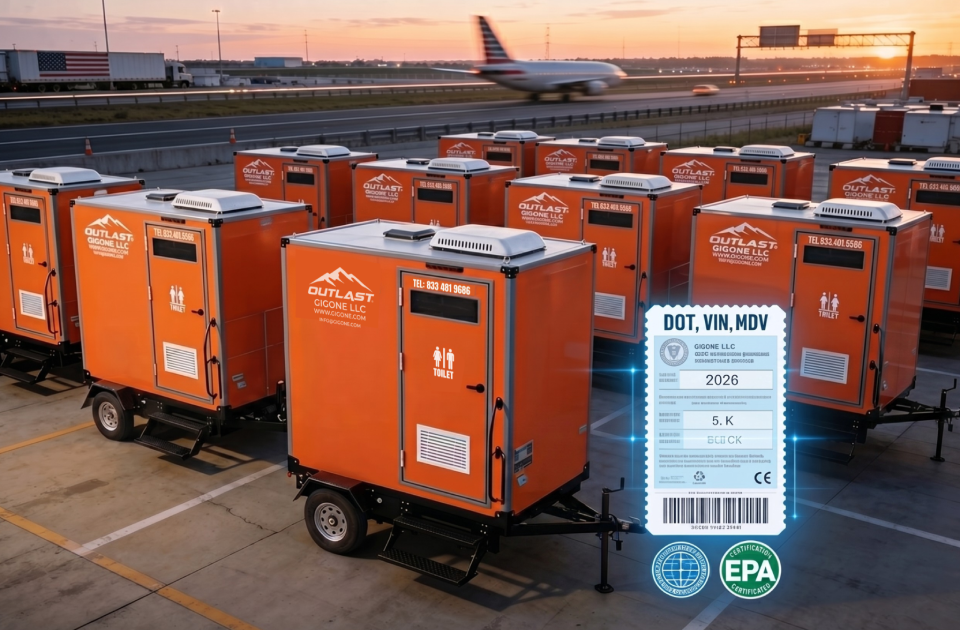
Three major pressures are reshaping the U.S. portable sanitation industry:
- Rising labor costs for servicing and pump-out operations
- Increased insurance scrutiny around trailer compliance and road legality
- Higher documentation requirements from municipalities, contractors, and event operators
Operators are increasingly expected to provide:
- VIN documentation
- DOT compliance
- EPA-aligned waste handling
- Road-legal registration records
The fleets that win in 2026 will be the fleets that:
- Reduce servicing time
- Maintain deployable uptime year-round
- Pass compliance review without friction
- Extend asset life across multiple rental cycles
Five Variables That Shape Portable Restroom Business ROI
1. Acquisition Cost vs. Capital Preservation
The real question is not:
“How cheaply can I buy a unit?”
The real question is:
“How much working capital can remain available for growth, staffing, dispatch, and sales?”
A mixed fleet strategy often produces better long-term ROI.
Example:
- Premium AA-1P or A-1P units for events and VIP deployments
- C-1P professional-flush units for construction and community deployments
This allows operators to align acquisition cost with deployment category instead of over-investing in premium equipment for every route.
2. Service-Life Horizon
A disposable plastic unit operating on a 3-year cycle must recover its cost very quickly.
Engineered trailer systems operate on a much longer utilization horizon.
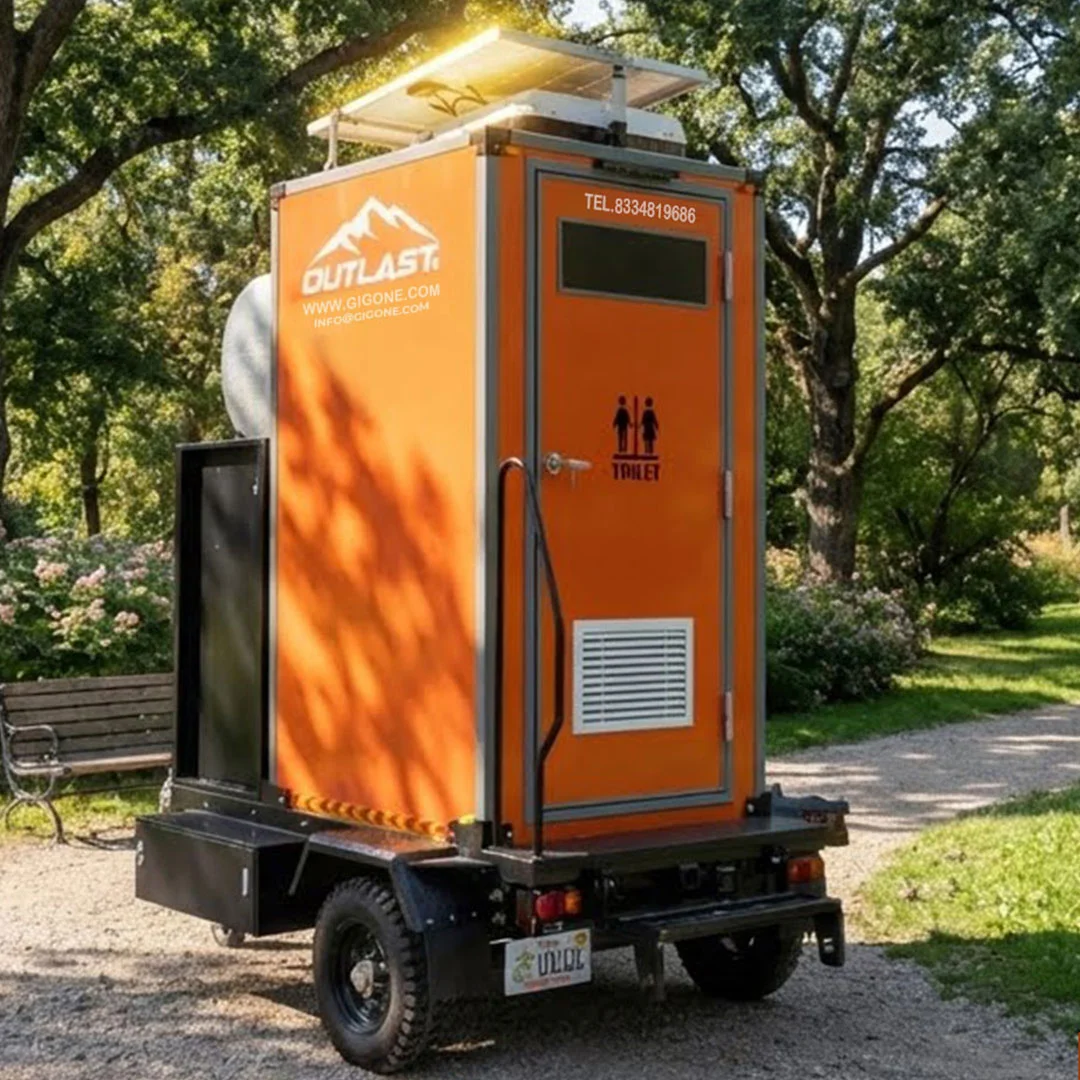
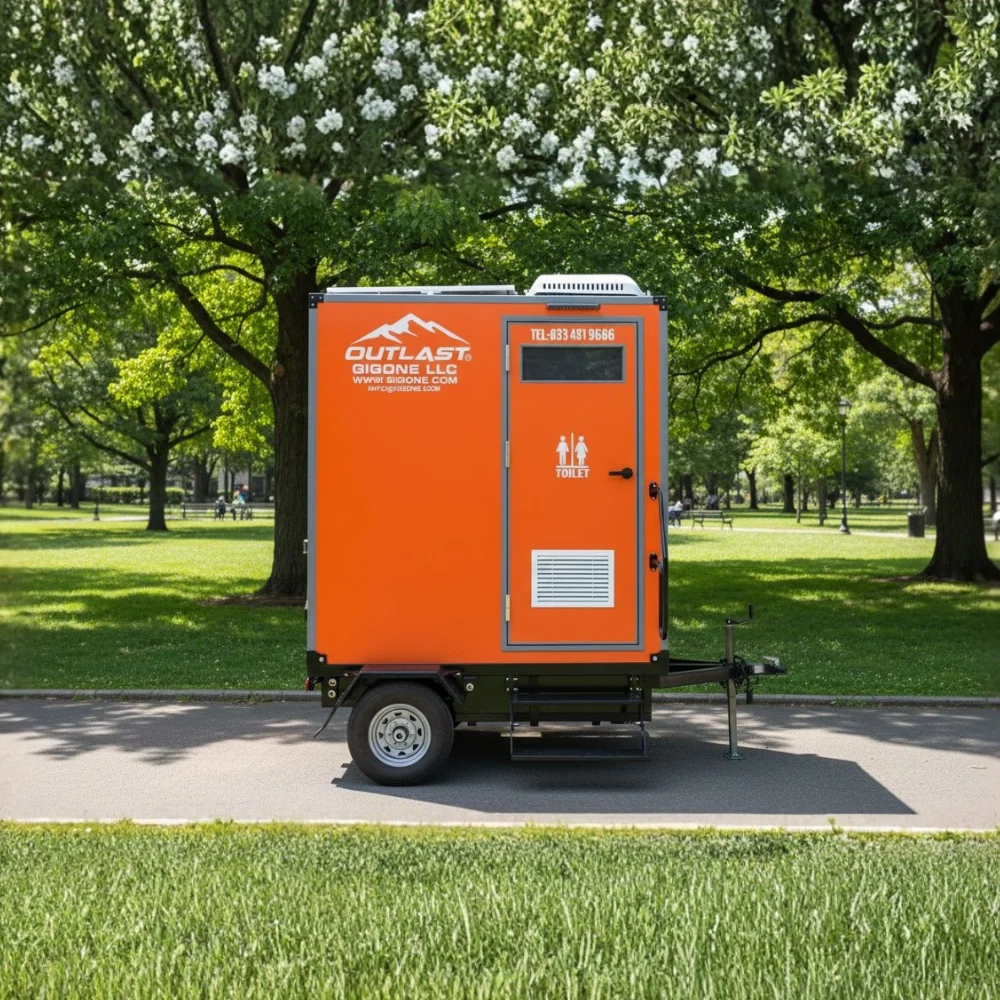
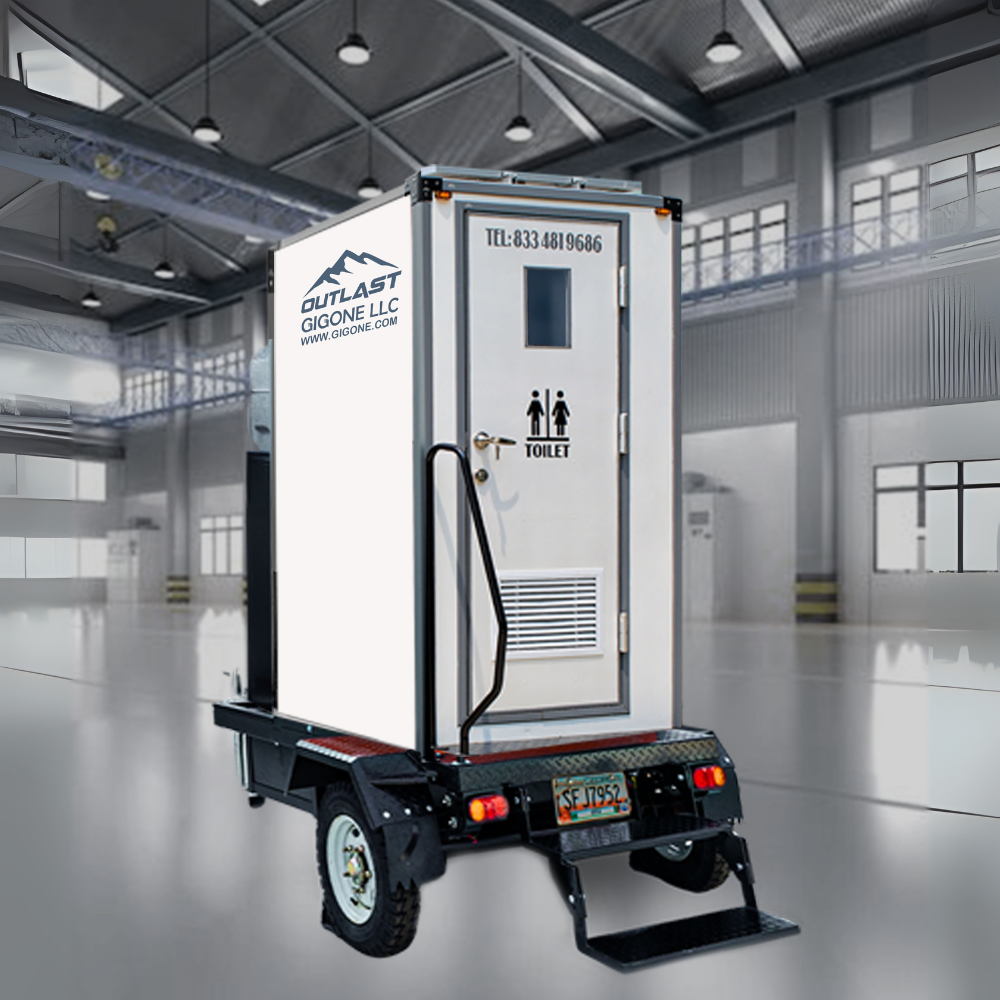
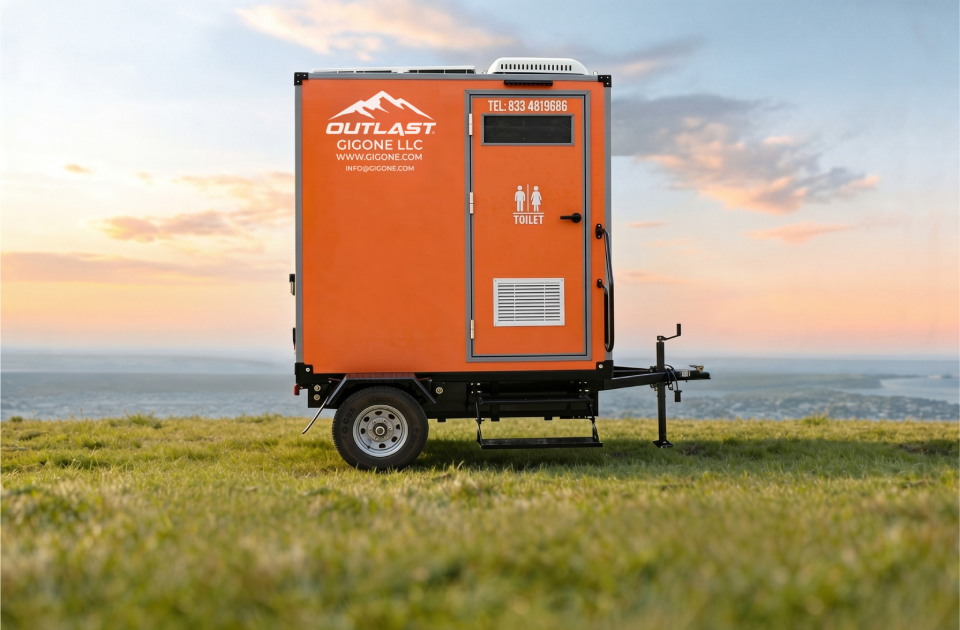
GIGONE premium units use:
- Heavy-duty reinforced frames
- Double-layer aluminum insulation walls
- Stainless steel fasteners
- High-load structural components
The C-1P professional tier uses:
- Double-layer composite construction
- Reinforced steel framing
- Corrosion-resistant materials for harsh environments
Longer deployment horizons fundamentally change fleet ROI calculations.
3. Servicing Time per Unit per Cycle
Every minute spent servicing a unit is labor cost.
The AA-1P and A-1P use a 3-valve discharge system that separates:
- Filtered water
- Settled sludge
- Full solid waste
This allows service crews to open only the valve required for a specific maintenance task.
Across a 12-stop service route, even a small reduction in servicing time can create additional billable capacity.
The C-1P also includes an emergency discharge valve designed for overload and urgent maintenance situations. This helps reduce downtime during high-traffic deployments and construction-site operations.
4. Daily Rental Rate Ceiling
Premium units do not earn more simply because they cost more.
They earn more because the customer experience supports higher pricing.
AA-1P and A-1P premium models include features such as:
- Air conditioning
- Water heating
- Bluetooth audio
- USB charging
- Motion-sensor LED lighting
- Baby changing station
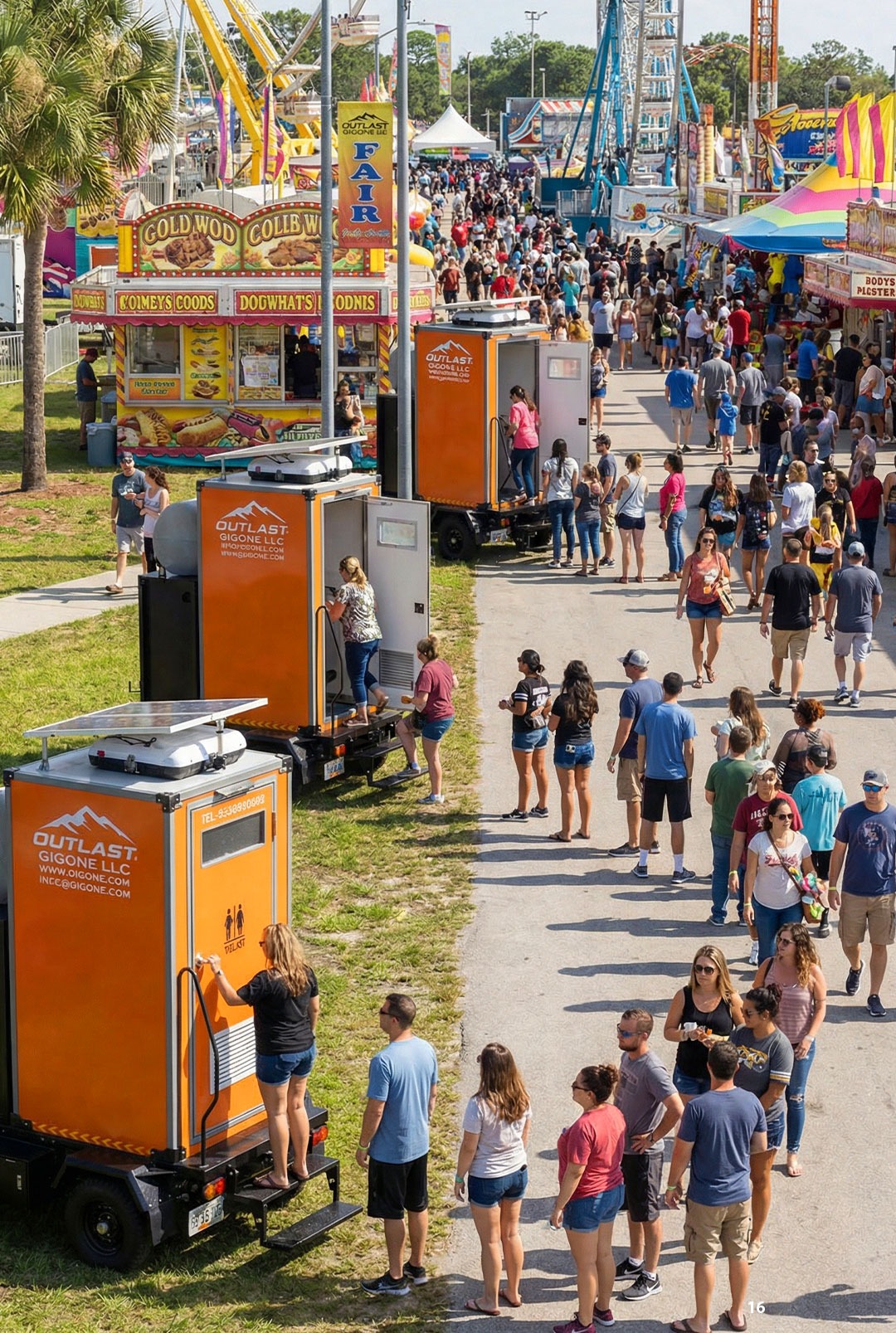
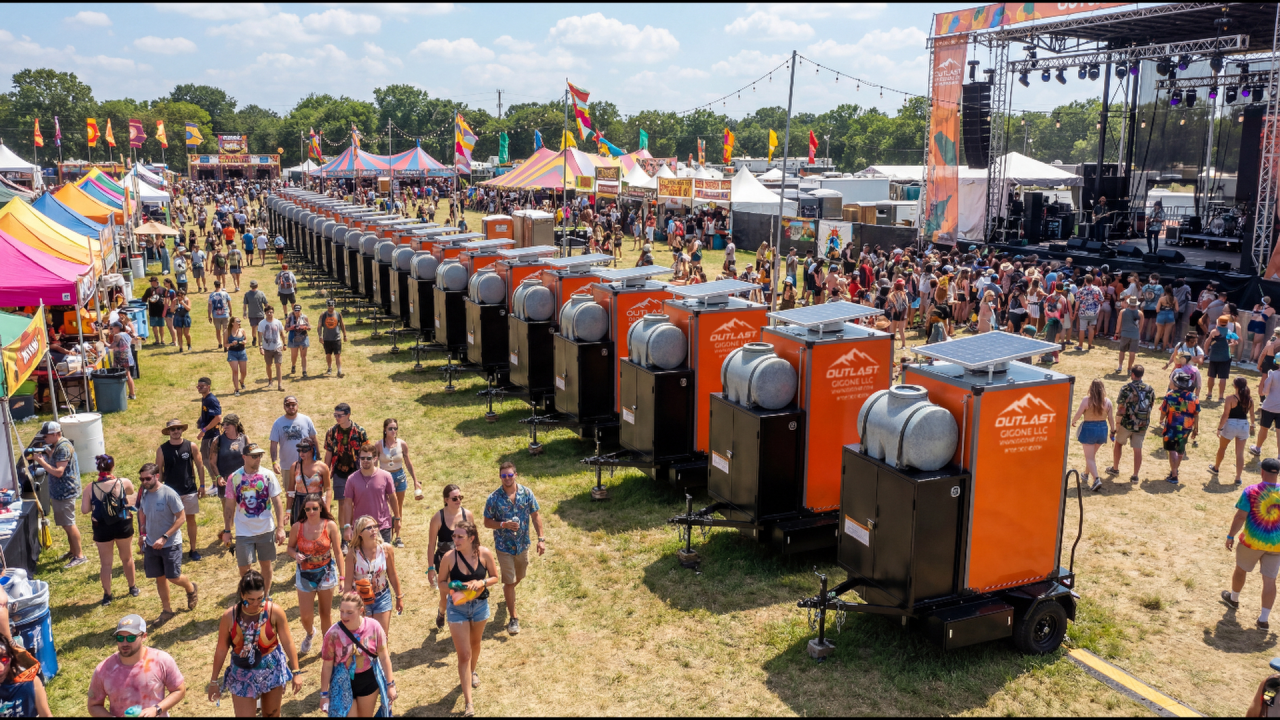
These features support premium event pricing for weddings, corporate events, and VIP deployments.
The C-1P serves a different market segment focused on:
- Reliability
- Durability
- High-volume deployment
- Practical servicing efficiency
The ROI question is not:
“Which unit is best?”
The better question is:
“Which fleet mix creates the highest deployable utilization for the target market?”
5. Compliance and Insurance Drag
Non-compliant units create operational friction.
Units without:
- DOT compliance
- Valid VIN documentation
- DMV registration
- EPA-aligned waste handling
are more difficult to:
- Insure
- Transport across state lines
- Sell into enterprise or municipal contracts
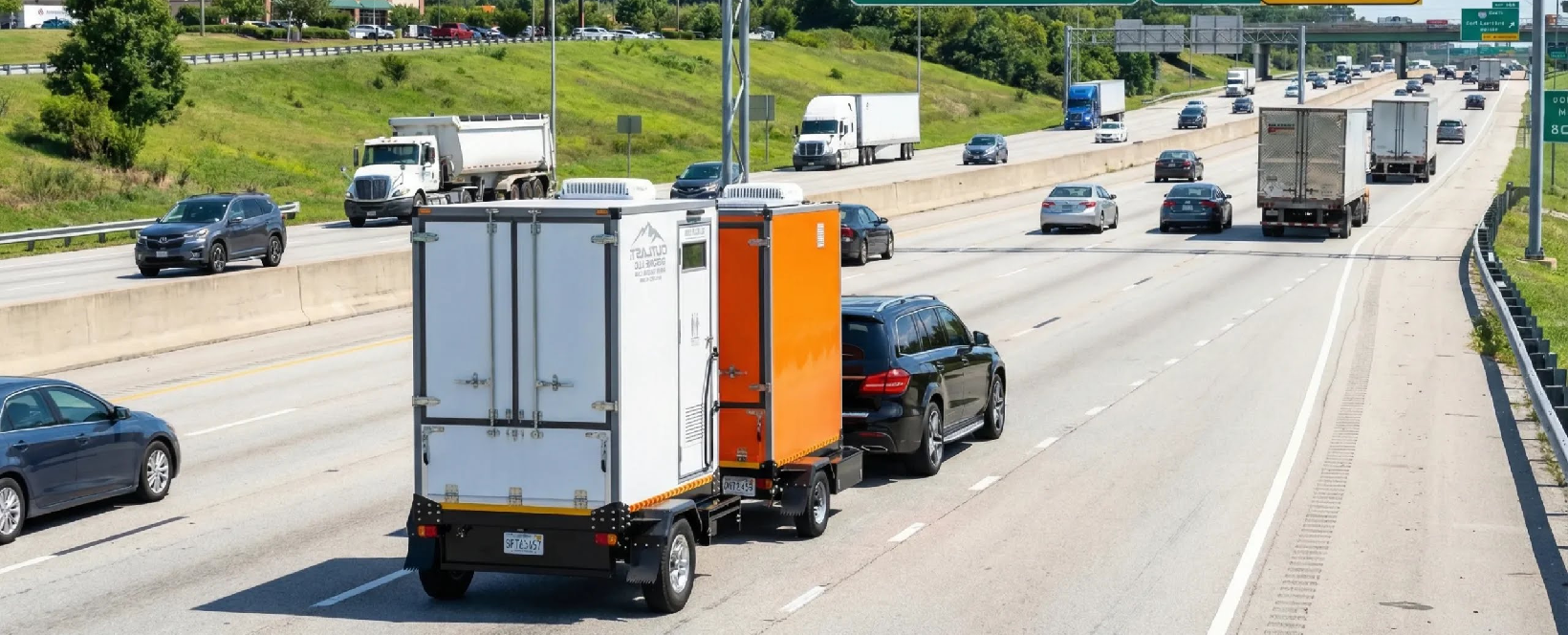
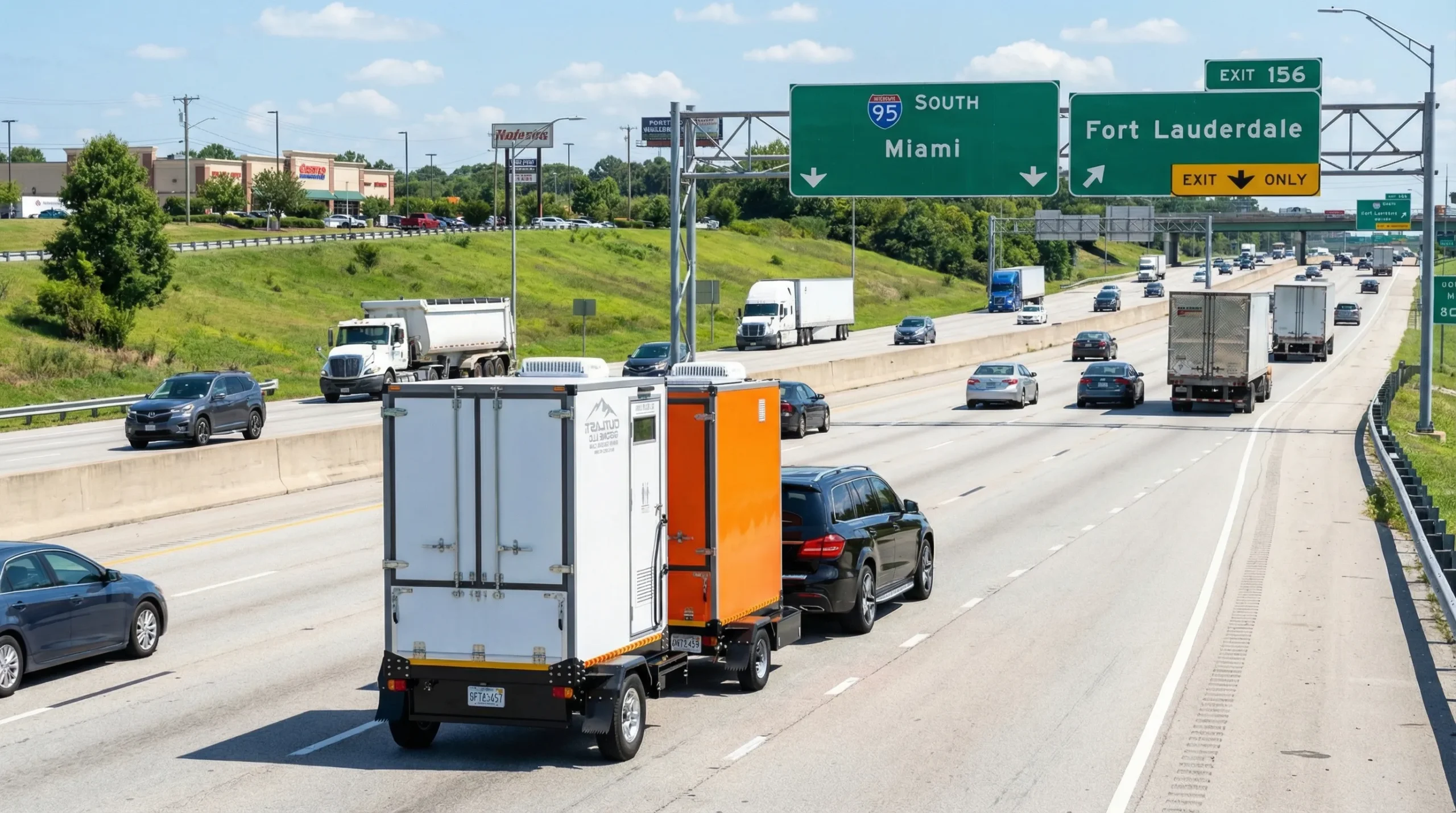
GIGONE units are designed around DOT, VIN, DMV, and EPA-aligned operational requirements.
Operators can verify VIN information through the official NHTSA VIN decoder:
https://vpic.nhtsa.dot.gov/decoder/
How GIGONE Engineering Choices Affect ROI
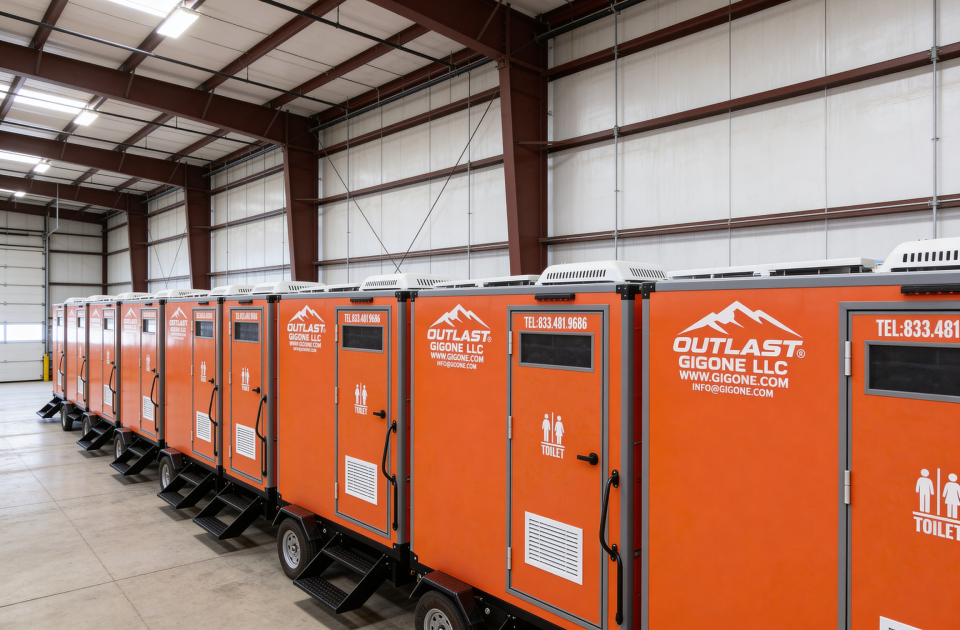
Vacuum Flush and Water-Hauling Efficiency
The AA-1P and A-1P use vacuum-assisted foot-pedal flushing systems.
Reduced water usage means:
- Longer fresh-water utilization
- Fewer refill trips
- Lower hauling cost per deployment cycle
Water hauling is often one of the most underestimated operating expenses in sanitation fleets.
3-Valve Discharge System and Service Efficiency
The 3-valve separation system reduces unnecessary servicing steps.
If a technician earns $35 per hour fully loaded and the system saves 30 minutes across a route, the savings directly improve route profitability.
The C-1P emergency discharge valve also helps reduce emergency dispatch events during overload situations.
Composite Construction and Durability
The C-1P uses double-layer composite construction designed for harsh-use environments.
Composite materials help resist:
- Corrosion
- Weather cycling
- Chemical exposure
- Structural fatigue
For professional deployment fleets, durability directly affects amortization and replacement cycles.
Compliance as a Competitive Advantage
Compliance is not just a legal requirement.
It also affects:
- Insurance approval
- Enterprise procurement eligibility
- Municipal bidding opportunities
- Long-term resale value
Documented compliance reduces operational risk.
Anti-Freeze Protection and Year-Round Utilization
AA-1P and A-1P models include an active anti-freeze system using integrated heating elements.
The system maintains stable water flow during freezing conditions without requiring chemical additives.
Combined with high-wind structural engineering, this helps extend deployment capability during winter operations.
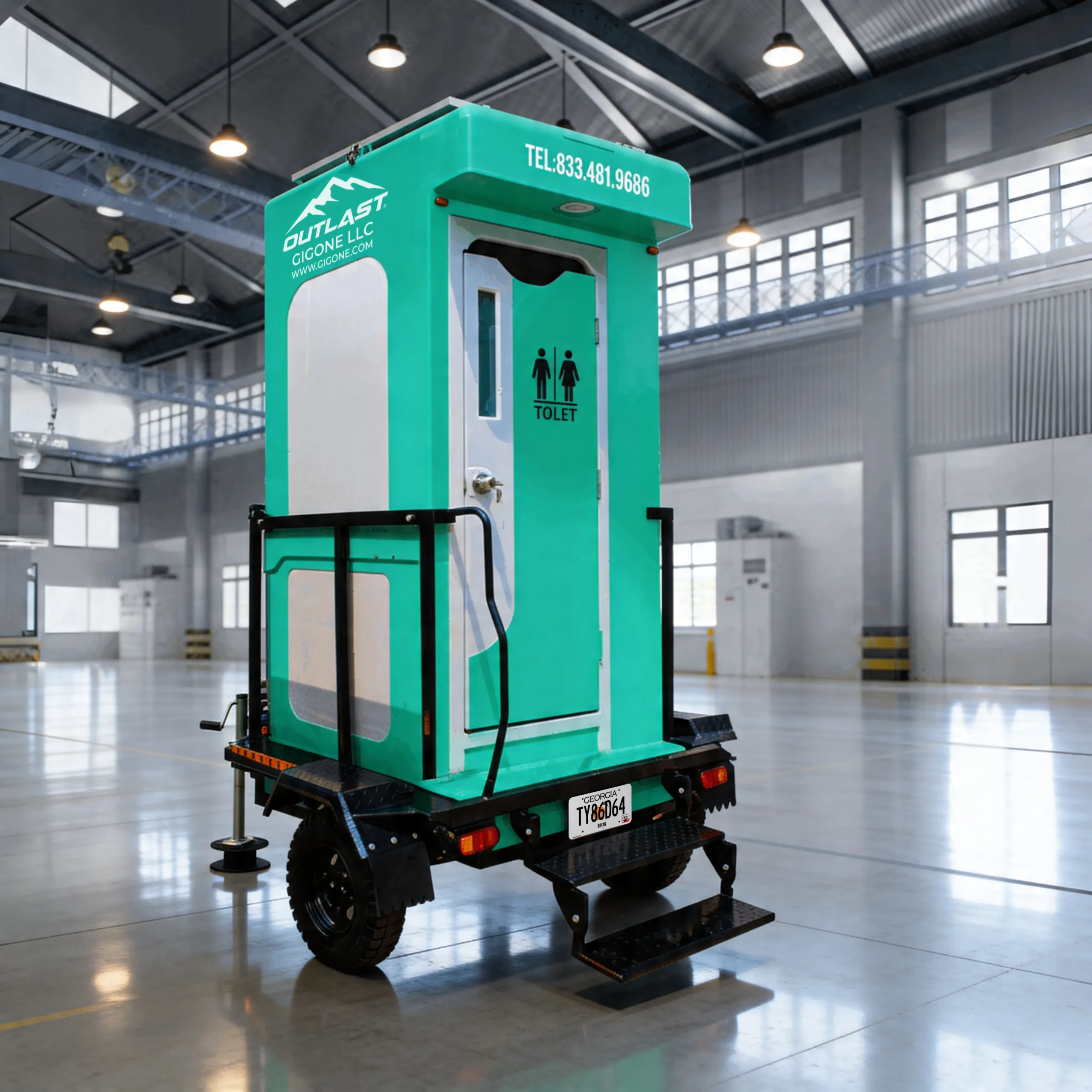
Lease-to-Own and Fleet Expansion
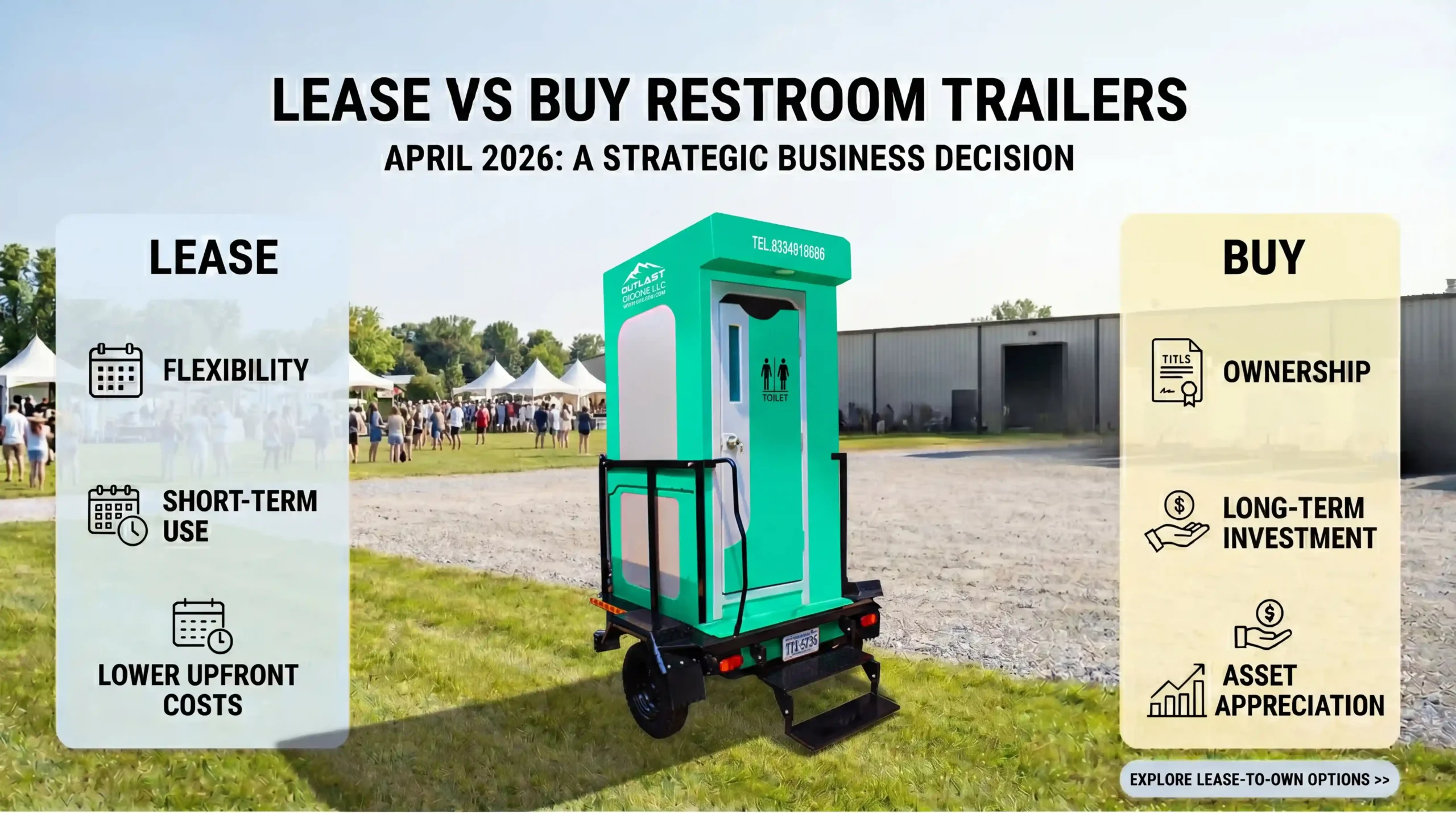
GIGONE’s partner structure is designed around a lease-to-own model.
This allows operators to:
- Preserve working capital
- Scale deployment capacity faster
- Expand fleets without large upfront acquisition costs
At the end of the lease term, ownership transfers to the partner through a nominal buyout structure.
For operators planning multi-year expansion, overlapping lease cycles can accelerate growth while reducing capital pressure.
Building a Portable Restroom Business ROI Model
A practical portable restroom ROI model should include:
- Regional rental rates
- Seasonal utilization
- Driver and service labor cost
- Fuel and water-hauling expense
- Insurance and registration cost
- Financing structure
- Asset deployment horizon
- Fleet tier allocation
Long-term analysis windows often reveal the largest difference between disposable units and engineered fleet systems.
For operators planning fleet expansion, portable restroom business ROI depends on balancing acquisition cost, servicing efficiency, compliance readiness, and long-term deployment utilization.
What to Do Next
If you operate a sanitation or event-rental business in the United States and are evaluating fleet expansion for 2026, the next step is comparing your current unit economics against a structured deployment model.
GIGONE works with operators using local deployment data, utilization patterns, and servicing economics rather than generalized national averages.
Explore the GIGONE Partner Program
Leave a Reply
You must be logged in to post a comment.